
Kristyn Wong-Tam –
Doug Ford has a habit when looking at a map of Ontario of seeing not places but spaces for outsized construction projects.
A highway through the Greenbelt? Why not? A tunnel under Highway 401? Easy peasy. A makeover of Ontario Place? Dial up the Austrians and say, “Therme Spa.”
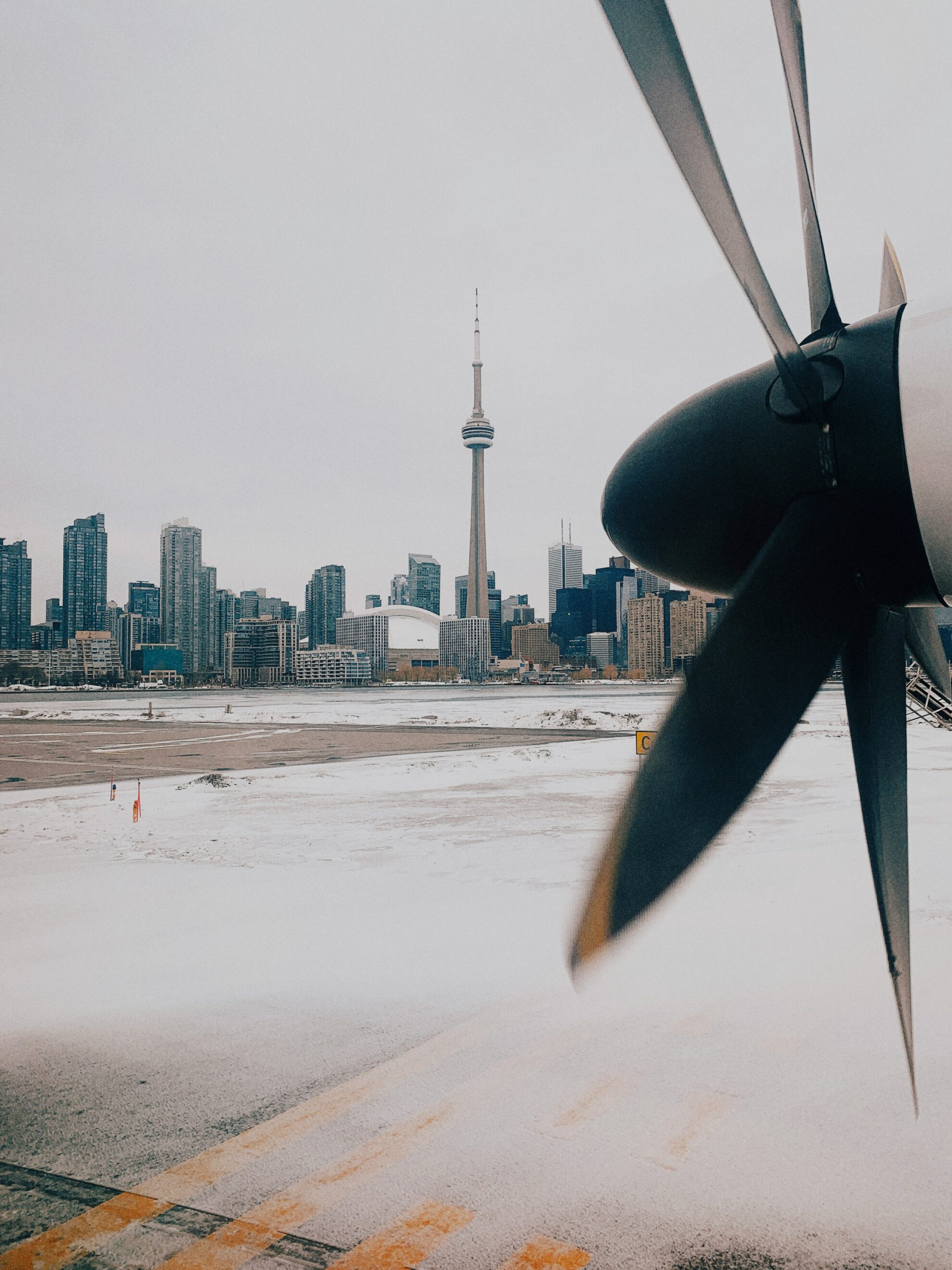
So when the Ontario premier looked across Toronto’s waterfront, he thought, “You know what this beautiful, peaceful island ecosystem needs? More jet fuel.”
Allowing jets to fly out of Billy Bishop Island Airport was touted as progress. More jobs. More investment. More competitiveness. A smoothie of buzzwords blended together until it sounded impossible to oppose.
Except Torontonians did oppose it. And we were not quiet about it.
The timeline tells its own story. On March 23, Ford announced his island airport plan to take over nearly the entire swath of Toronto Islands and the city’s interest in the tripartite agreement that governed the airport. Ford’s pitch was publicly received by Prime Minister Mark Carney as “a very interesting vision” with “big possibilities there.”
What ensued was a five-month political headache. Toronto’s 23 Liberal MPs issued confusing missives, essentially claiming they could not and would not shut down Ford’s jet dreams until they saw a plan, which made the lake water even murkier.
Though two of the three signatories of the tripartite agreement are federal (Transport Canada and the Toronto Port Authority), Carney allowed the debate to continue while Toronto residents, environmental advocates and waterfront communities raised increasingly urgent concerns about the future of one of the city’s most treasured public spaces.
In the end, Toronto MPs and the prime minister didn’t need to see Ford’s plan, as the public response from a federal survey was impossible to ignore. Approximately 87,000 residents took the time to respond; a remarkable level of engagement for a single infrastructure decision. The message from 87 per cent of respondents was clear: protect the waterfront.
Carney didn’t shut down Ford’s proposal because the idea suddenly became less controversial. He shut it down because the public made clear that ignoring their concerns came with a high political cost. With a thin Liberal majority in Parliament and a looming federal by-election in Beaches-East York, a riding with a prominent waterfront shoreline, Carney blinked.
Then came whispers about a political bargain between Ford and Carney: Ontario would support federal high-speed rail ambitions while Ottawa would look favourably on Ford’s push for jets at Billy Bishop.
The debate was never about being anti-business or anti-progress. Toronto is a global city whose aviation future is at the 4,613-acre Pearson International Airport, with its current $3 billion expansion plan – not at Billy Bishop, the smallest commercial airport in North America at 210 acres.
The question is simpler: does every piece of public land need to be squeezed for maximum economic output? Or are some places valuable because they give people something money cannot buy?
The Toronto Islands are one of those places; they belong to everyone.
What’s next?
The lesson from the Billy Bishop debate is not that Toronto rejects growth, but that growth has to respect the city it enters. The future of the waterfront should be about accessibility, sustainability and resilience, not endlessly asking how much more can be squeezed into our last great open spaces.
Ford’s challenge is whether he can accept that some ideas deserve to stay parked. He can start by repealing Bill 110 and the island’s land grab and restoring the city’s stake in the tripartite agreement.
Carney’s challenge is to prove that public consultation is more than a box to check after decisions are made. He can walk back his apparent desire to sell off our sovereign nation’s airports and seaports.
He must rein in the Toronto Port Authority, the federal agency that operates the island airport – and one of the main culprits conspiring with Ford to expand the runways for jets. On the nine-member TPA board, seven are federal appointments and five seats are currently vacant. Carney holds all the aviation aces in his hands, not Ford.
For now, the people of Toronto have done something politicians often forget is possible: they changed the direction of the conversation. Toronto reminded Ford and Carney that some places are worth protecting, and some decisions cannot take off without the people on the ground.
Kristyn Wong-Tam is the Ontario MPP for Toronto Centre and serves as the Ontario NDP’s Shadow Minister for the Attorney General.