
Megan Bocchinfuso –
Cabbagetown’s Public Seating Project was introduced in early 2023 under the local Business Improvement Area’s (BIA) streetscape master plan. A lack of public seating in Cabbagetown was recognized, especially along Parliament, Carlton and Gerrard Streets, according to Matthew Mohan, the Cabbagetown BIA’s executive director.
The BIA released four bench designs for the project with a total of sixteen benches to be installed across Cabbagetown.
The goal was to install more benches on busy neighbourhood streets to encourage greater community involvement and support for local businesses.
The BIA released four bench designs for the project with a total of sixteen benches to be installed across Cabbagetown.
“It makes it very difficult for many people in our community to enjoy the neighbourhood, including seniors and those with disabilities,” Mohan said. “Not having public seating really pushes people out of the neighbourhood.”
A survey the BIA conducted elicited 485 submissions from local business owners, residents and Cabbagetown visitors.
Approximately 85 per cent of respondents reside in Cabbagetown, while 10 per cent live in the surrounding areas and the remaining 5 per cent live outside the area, according to the BIA.
Comments showed the community prioritized accessibility, aesthetic cleanliness, comfort and usability in the new benches.
“Zero respondents stated that they were against the installation of the benches,” Mohan said. Participants stated that they were “very happy to see this initiative,” as the benches “were much needed for rest for those with mobility issues.”
The overall comments from the survey showed the community prioritized accessibility, aesthetic cleanliness, comfort and usability in the new benches.
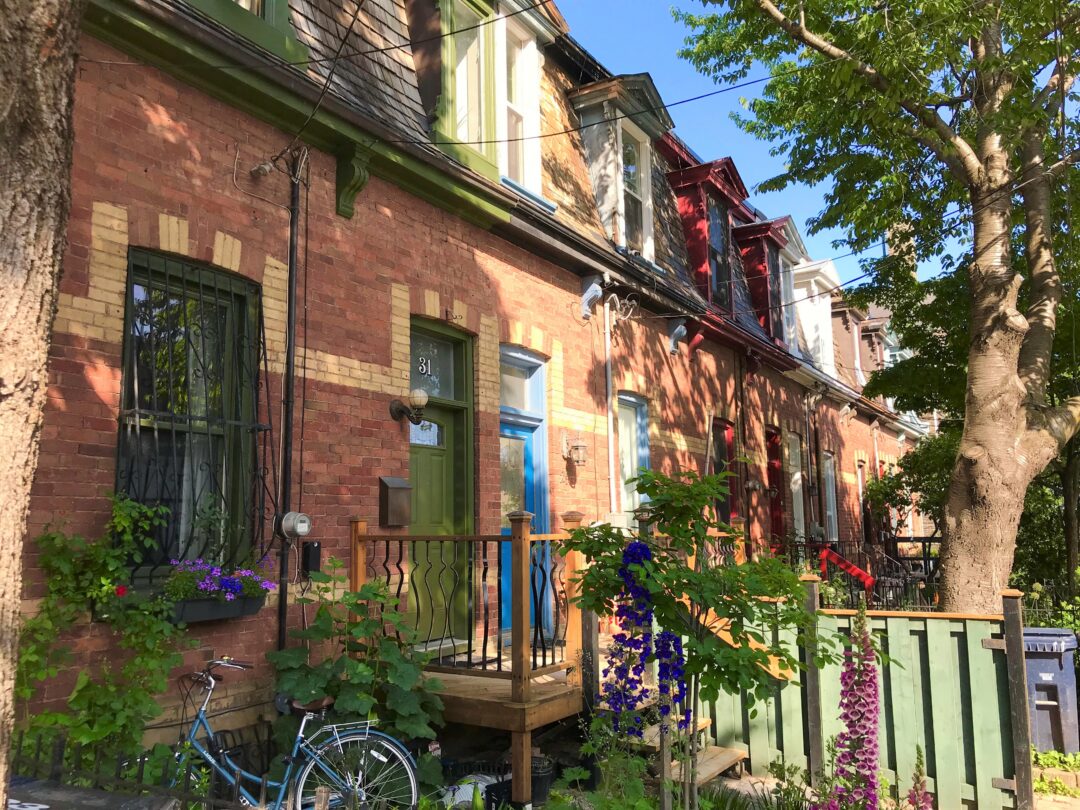
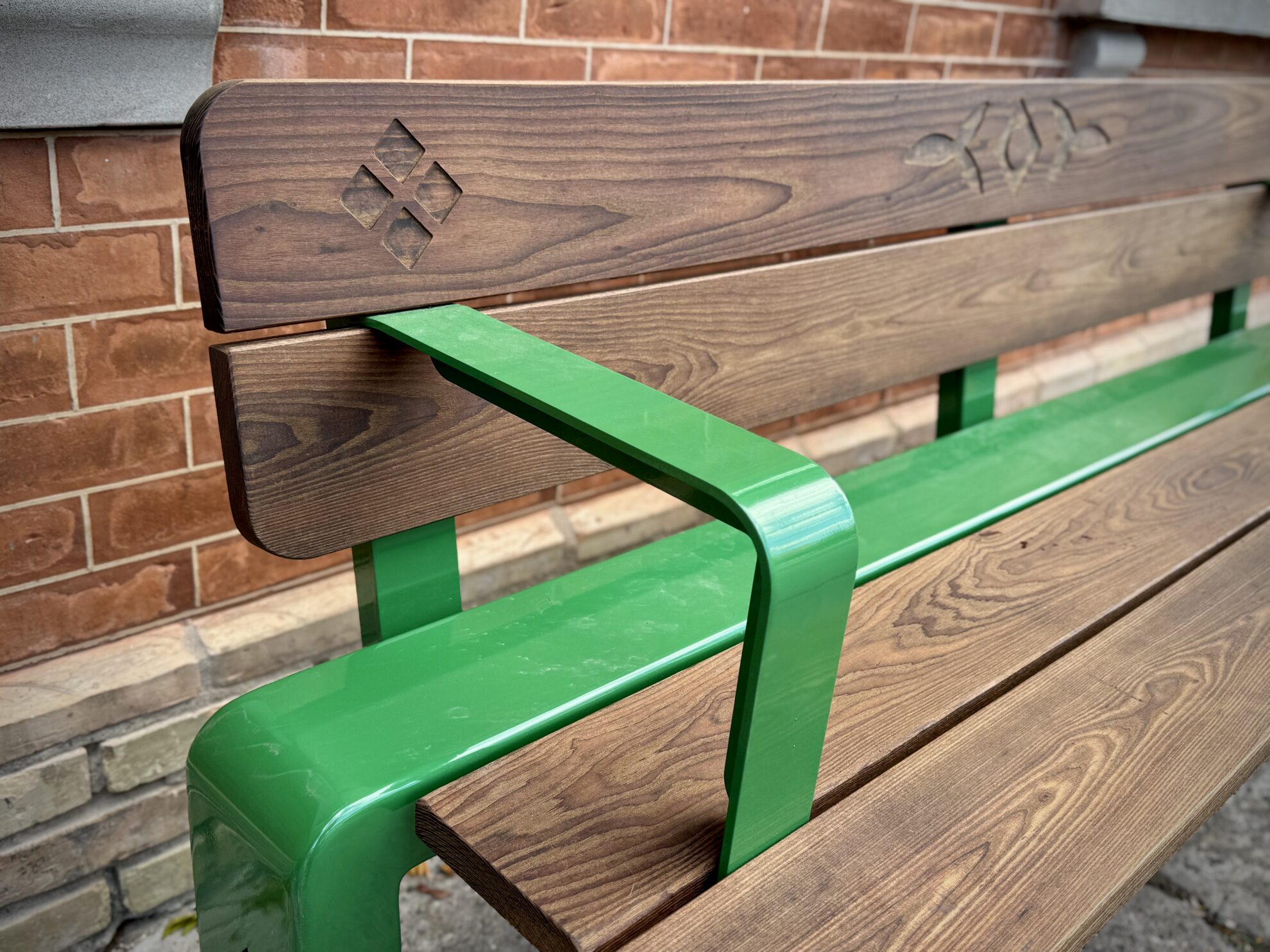
The “Versa Bench” was selected for its wood material and Victorian-style motifs, an homage to the Victorian architecture found in Cabbagetown heritage homes.
The biggest concern was whether to include a middle armrest in the design plans, which can discourage people from sleeping on or utilizing them. This is also referred to as hostile architecture.
Unsolicited comments on this matter resulted in 68 per cent (73 of 107) opposing middle armrests and advocating for the homeless population in their neighbourhood.
A participant commented that middle armrests “are specifically targeted to the underhoused. This is an anti-human practice.”
Mohan said the comments regarding hostile architecture showed that the community is divided. The BIA decided on a compromise: a mix of benches with and without middle armrests.
A year after the 2025 survey, two benches have been installed, with 14 more coming, averaging one bench per block, Mohan said.
Many Cabbagetown residents have complained about antisocial behaviour at the benches. One at Aberdeen and Parliament Street without a middle armrest has led to notable problems and a petition to remove the bench.
“Incidents occur on a daily basis during both daytime and nighttime hours, and drug paraphernalia is often left on and around the bench,” the petition states. “This is particularly concerning given the number of young children living on Aberdeen Street and the presence of a daycare centre directly across the street.”
After the petition gained over 200 signatures, the BIA relocated the bench to in front of Parliament Street Fitness.
“We’re learning lessons of locating benches where they’re highly visible from the main street,” Mohan said.
Noting the broader issue of homelessness in Cabbagetown and across the GTA, he called for increased provincial and federal investments for the City of Toronto.
“We shouldn’t blame benches for broader social challenges,” Mohan said. “The closure of supervised consumption sites, for example, will increase what we see as visible substance use on the street.”
Local resident Kathryn Vogel, who signed the petition, said other social projects would have been better investments, such as installing public washrooms.
“Our street is getting further and further degraded,” she said. “How does this improve businesses? This isn’t helping anybody. It’s like we’re still always fighting the City.”