
Dennis Hanagan –
Migrating birds flying into downtown office tower windows and falling dead to the sidewalks is not unimportant. In large numbers, their deaths can leave gaps in the balance of nature.
“Birds are key at controlling our insect populations, they distribute seeds, they pollinate plants, they provide food for other forms of wildlife,” Michael Mesure, executive director of the Fatal Light Awareness Program (FLAP) told the bridge.
He and other bird enthusiasts started FLAP in 1993 after Mesure rescued a songbird that had collided with a building. While he drove it to a rehab centre, the bird got out of a paper bag he’d put it in, perched on his rearview mirror and started singing. Then without warning it fell dead on his lap.
It was a “profound experience,” Mesure noted in FLAP’s origin story.
Birdcanada.com says millions of birds migrate south from Canada every fall. In the Toronto area more than 400 species are on the wing from August to November, says Mesure. Some fly as far as South America, and thousands will fatally collide with office towers on the way.
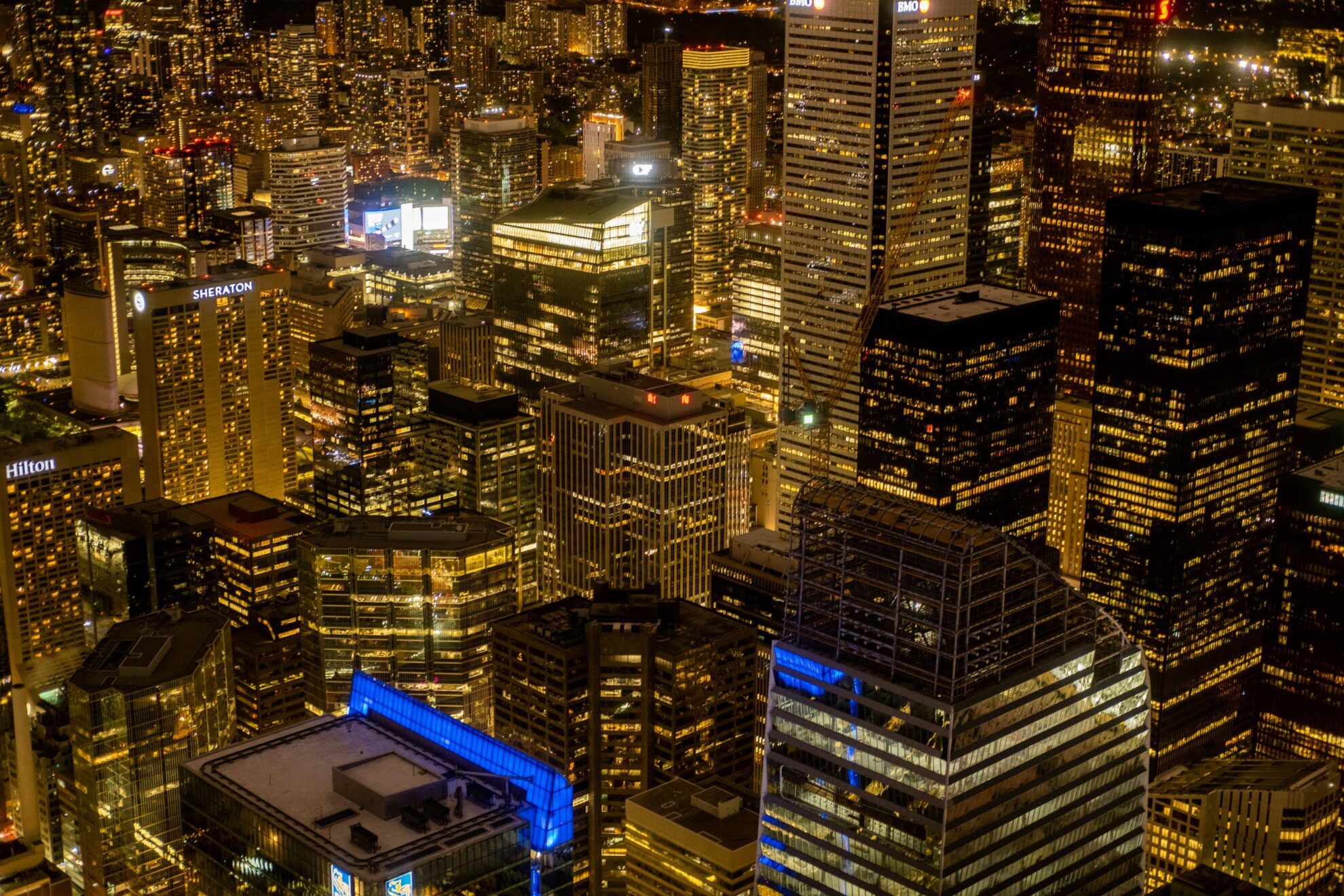
Bright nighttime lights draw birds like moths to a flame, leading Toronto City Council in 2006 to direct city-owned buildings to turn off non-essential lights at night.
But more collisions happen in daytime. “Statistically speaking, the daytime issue is far, far more significant,” says Mesure.
Bird collisions with buildings can leave birds with ruptured livers, feather damage, eye injuries and broken bones. The most common injury, head trauma, can take days to materialize. “Birds can be bleeding internally for days, sometimes several weeks before they end up succumbing to that injury,” says Mesure. “The survival rate tends to be very low.”
Birds prefer night flight, when weather conditions are generally more favourable, helpful tailwinds are more available and they’re less likely to be snatched out of the sky by a hawk, Mesure explains. They use the earth’s poles, the stars and the moon to navigate, plus the shoreline of rivers and the Great Lakes.
Climate change is affecting spring and fall migration, says Mesure. Warming trends cause insects to hatch earlier in spring, so when migrating birds reach Ontario their food supply has already “come and gone,” he says. “The abundance of insects that they relied on to feed both themselves and the young on the nest is not as plentiful, so the birds are beginning to basically starve on the nest.”
Warmer weather in the fall leads birds to linger longer in northern areas. “The longer that they stay in a built environment that they’re not familiar with, like Toronto, they have a greater chance of ending up colliding with a window,” says Mesure.
FLAP has about 60 volunteers monitoring sidewalks across the GTA for birds that have died or can be rehabilitated. “We can have anywhere between 3,000 to 5,000 birds in a migratory season,” says Mesure.
FLAP is having some success in having office towers turning off lights at night. As for daytime collisions, some towers are retrofitting their windows with small white dots to warn birds of an impenetrable obstacle. But the latter is a slow process. “It’s a one-building-at-a-time approach,” says Mesure.
House windows also present problems. Homeowners might argue they’ve never seen birds collide with their windows. But an injured bird could fly away, then die a short while later, Mesure argues.
“This is not an issue isolated to commercial, institutional, industrial buildings. Homes and cottages are very much a part of this. They represent about 50 per cent of the problem.”
Mesure wants Canada’s National Building Code to require all new buildings to have windows marked to prevent bird collisions. “The building code needs to hear from members of the public that they need this included across the country.”
The overall loss to nature from bird deaths is “pretty significant,” says Mesure. “If we lose birds on the natural landscape, we lose one of our most precious natural resources.”