

Rodrigo Huerta Aguirre –
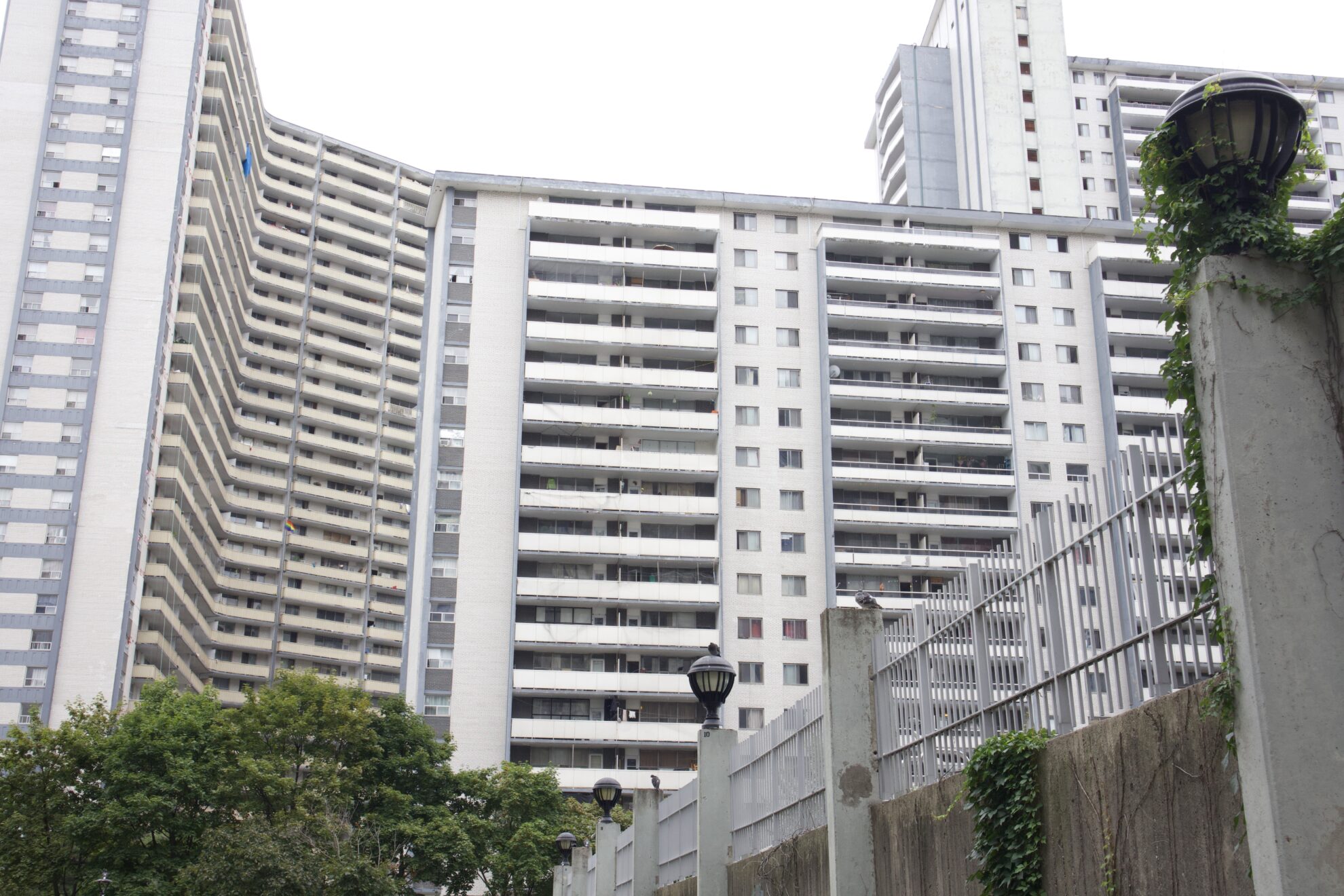
A revamped City of Toronto program has improved apartment conditions in St. James Town after years of low results from audits.
RentSafeTO: Apartment Building Standards is a bylaw enforcement program to assure appropriate maintenance, respond to unattended service requests and inspect units and common areas to deal with pests, low heat and other issues. Launched in 2017, the program was redesigned in 2023 to introduce more frequent building evaluations – every two years instead of three – and increase tenant engagement.
In St. James Town, the program seems like a success. The city’s Open Data Portal reveals that building scores in the neighbourhood rose by about 20 per cent on average since the new measures were introduced.
Before 2023, some buildings in the area, such as 325 Bleecker Street, scored below 50 per cent on the program’s scale. The most recent evaluations show apartments near the city average of 87 per cent.
“[RentSafeTO] is very proactive, very engaged, and in the last couple years, especially since Mayor Chow came in, there’s been a strong recommitment to that program,” Randy Alexander, a longtime resident of 200 Wellesley Street East, told the bridge.
“For a long time, no one was paying attention to [repair] work, and it was really frustrating for residents because they would just keep complaining, complaining, and give up… But we’re seeing a shift in that.”
Alexander is also the co-founder of St. James Town Residents Council, an independent community group that advocates for tenant rights, food security and access to social and health services, with a strong mandate to support newcomers and the LGBTQ+ community.
The majority of residents in St. James Town, Canada’s most densely populated neighbourhood, earn below the City of Toronto average median household income according to Statistics Canada. A third of residents immigrated to Canada after 2001.
As with the DineSafe program for restaurants, City Council voted in July to gradually post colour-coded signs at visible areas of apartment buildings to show their state of repair and maintenance.
Councillors Chris Moise (Ward 11, Toronto Centre) and Josh Matlow (Ward 12, Toronto-St. Paul’s) are hosting a joint campaign to raise awareness about the signs and encourage residents to take an “opportunity to tell councillors that you feel stigmatized by cockroaches and mold, not a sign.”
“A lot of those communities that can be highly stigmatized – and we’re one of those communities – I believe we’ll actually benefit from it,” Alexander said. “I don’t think that the stigma component is significant enough not to use the system of public accountability.”
With cleaner common areas and proper maintenance, St. James Town residents say they are able to enjoy better spaces in their buildings, but asserted that some other community needs should be prioritized.
Aided by Alexander and other volunteers, Amal Kanafani, known as Auntie Amal in the community, organizes a food bank every Wednesday morning in the lobby of 200 Wellesley Street. Since she arrived in the area as a Syrian refugee in 2013, she has seen building conditions improve, but stressed the need for better mental health support for people in the surrounding areas.
Waiting in line at the community food bank, a group of residents told the bridge that some cleanliness problems occur daily by the doors or in the elevators, but highlighted the fast response of the building staff.
On the other hand, Maria, a resident at 222 Wellesley Street East for 17 years, said building maintenance was not as important as other quality-of-life aspects. “A clean building matters very little if you are not able to afford groceries,” she said.

