

Anthony Marcusa –
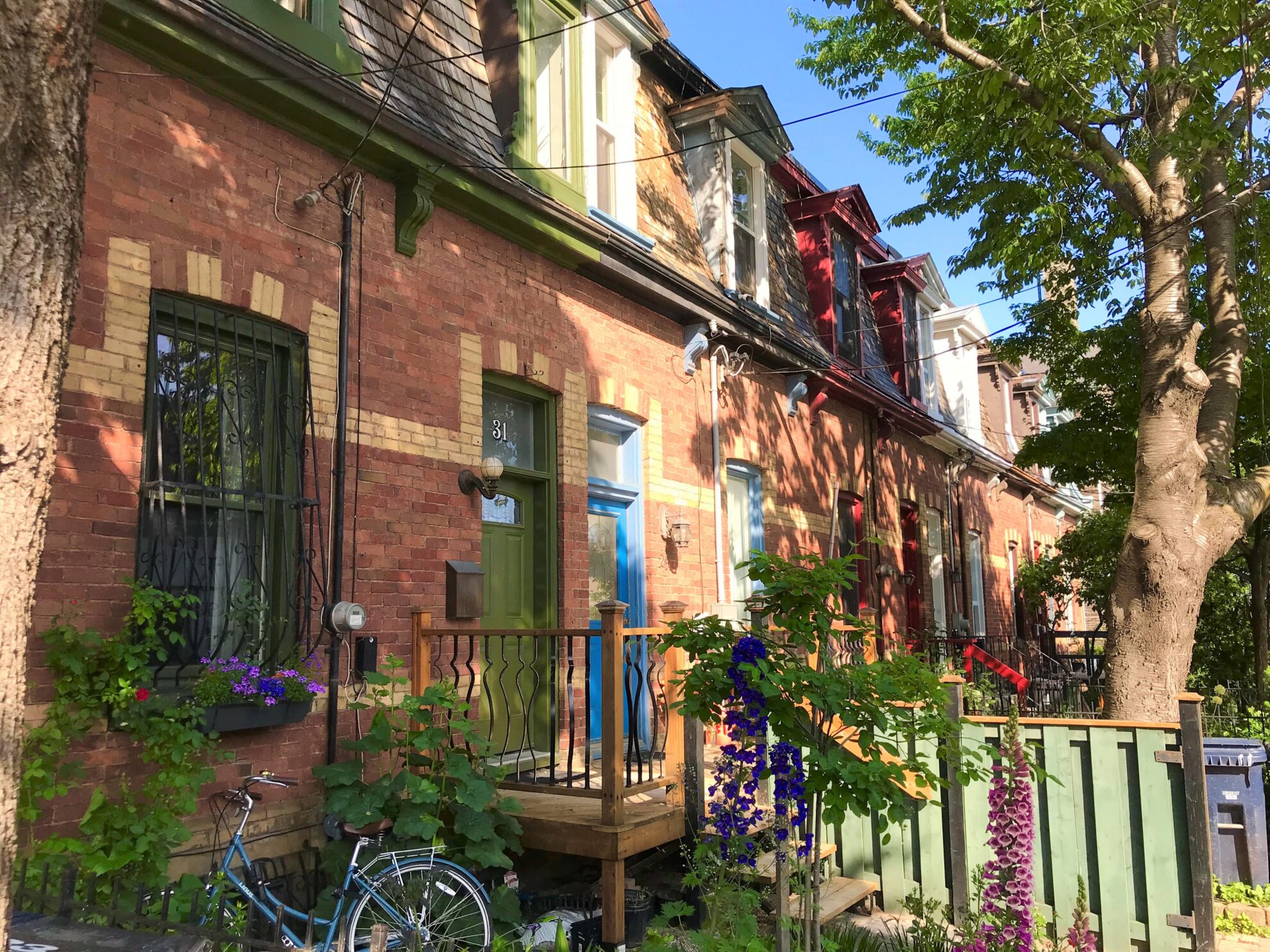
As high-rise developments increasingly loom in the Downtown East, Toronto preservationist and Corktown historian Cory Lemos has started a petition asking the city to consider making Corktown, one of the oldest areas in Toronto, a Heritage Conservation District (HCD).
Corktown is bounded by Berkeley Street to the west and the Don River on the east, with Shuter Street to the north and Front Street and Eastern Avenue in the south. In 2011, the Toronto and East York Community Council recommended allocating $45,000 towards a study, but nothing was ever furthered.
“There’s a unique blend of residential and industrial buildings,” Lemos told the bridge. “We have three historic churches. There’s no doubt that the Corktown area has an interesting heritage.”
Lemos started the petition on May 11. As of this writing, there has yet to be a meeting of the Corktown Residents and Business Association (CRBA); Lemos said board members are aware of the petition, and anticipates it being discussed at a June meeting. She says support has come from current and former residents.
An HCD is a legally protected area deemed by the City of Toronto to have cultural or historical significance. Designation includes identifying and protecting heritage elements in a community, and creating an HCD plan for future development. A heritage district may also include residential or commercial streets, institutions and/ or natural areas. An HCD plan does not restrict the height of new buildings, but forces developers to work within existing heritage elements and make their projects fit harmoniously.
According to Lemos, Corktown’s history dates back over 200 years. Sumac Street, the oldest neighborhood, was first surveyed in 1819. The area is thought to have got its name after an influx of Irish settlers from Cork County. The Enoch Turner Schoolhouse on Trinity Street, was established in 1848.
Corktown is set for transformation. Infrastructure Ontario plans to create a transit-oriented community around the new Distillery District subway station on the Ontario Line. The province’s plan envisions 2,400 new homes and 200 new jobs; new towers could reach up to 58 storeys.
At 4 Gilead Place south of King Street East, a proposal has been submitted to replace a one-storey industrial building with a 20-storey residential tower.
Lemos is concerned that while there is plenty of talk around preserving Corktown’s heritage, little action is behind it. “We’re only looking for a study,” she added.
Lemos is concerned about what she calls “facade-ism”: keeping the face of an old building to placate residents while tall towers overshadow the neighbourhood. Token acknowledgement of heritage and history is not enough, Lemos argued. “We’re getting a lot of plaques.”
While Corktown has been passed over, nearby neighbourhoods have gone through the process of becoming an HCD. The Garden District became one in 2017, St. Lawrence neighbourhood in 2020, and Cabbagetown Southwest in 2024. A study has also been completed for the Distillery District.
While the city can approve a heritage district, its decision can be appealed at the Ontario Land Tribunal.
Lemos sees designating Corktown as a first line of defence against any new development in the neighbourhood. “The HDC is a tool…to wave in the face of developers. I’m going to go down fighting. Let’s get this started and see where it takes us.”
“When development comes to the backyard, we can’t be fighting every battle one at a time.”