

Richard Lifshitz, Advertorial –
Most people who walk into our dance studio for the first time stop just inside the door. They look at the floor and the mirrors, then me, and they say some version of this: “I should tell you, I’ve never done this before.”
The next sentence is usually, “And I came by myself.”
I’ve been teaching partner dance for close to 20 years, and neither of those is a problem. They’re the two reasons adults give most often for not trying, and they’re the two things that matter least once you’re in the room.
You don’t need to bring someone
There’s an old idea that ballroom and Latin dancing are for couples. Plenty of couples do come, and it’s a lovely thing to learn together. But most adults in our beginner classes arrive on their own.
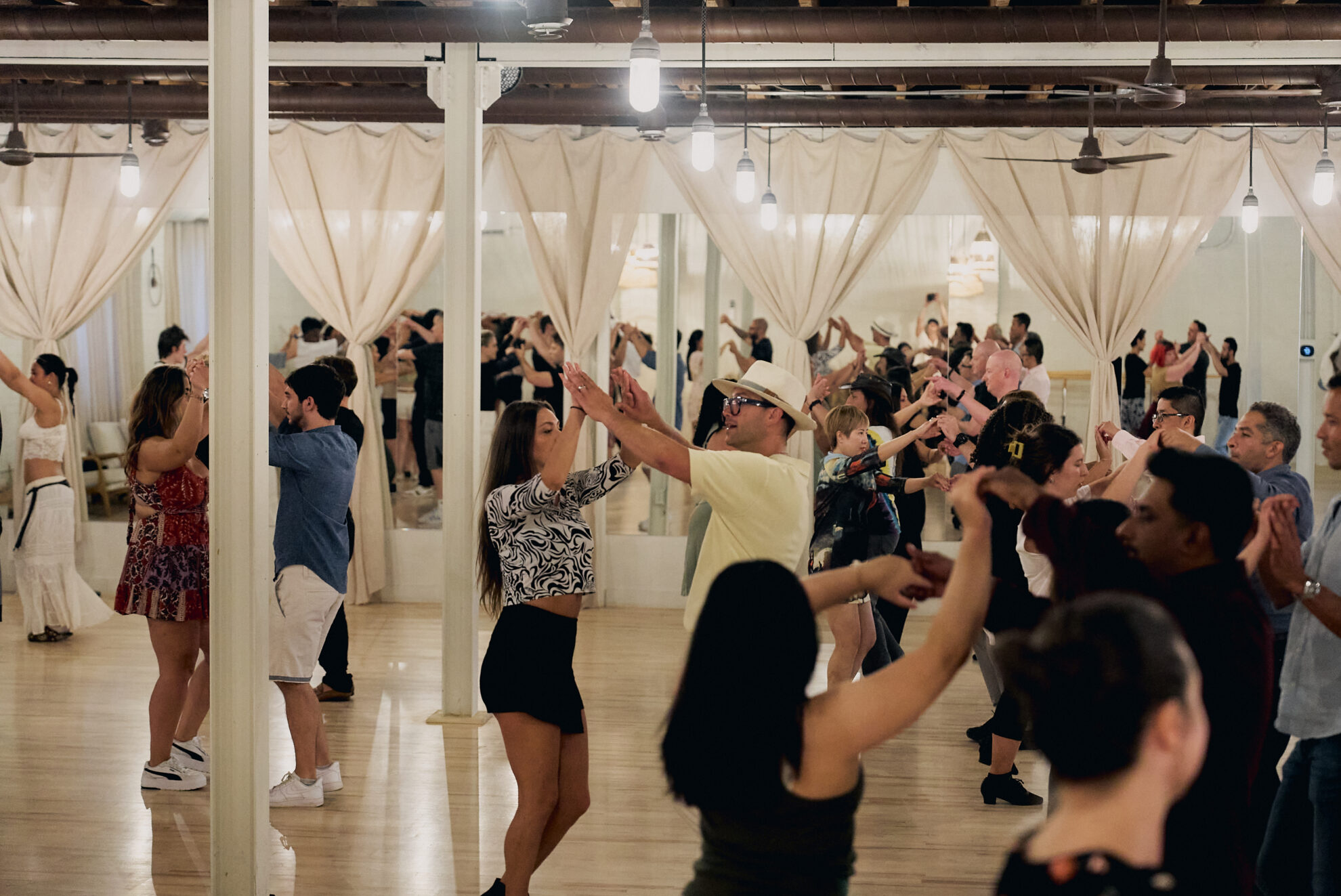
In a group class, partners rotate. You dance with one person for a few minutes, the teacher calls a change, and you move along to the next. By the end of the hour you’ve danced with most of the room. People tell me that was the part they dreaded, and then it turns into the part they like best. Nobody is watching you, because everyone is busy counting their own steps.
Rotating also makes you a better dancer, faster. Every partner moves a little differently, so you learn to lead or follow clearly instead of memorizing one person’s habits.
You don’t need to know anything
The best beginners aren’t the ones with natural rhythm. They’re the ones who come back the following week.
A good beginner course is built for people starting from zero. Ours run four weeks, one class a week, and each class builds on the last. The first night is mostly about the basic step and where your weight goes, and most people leave being able to do a simple pattern with a partner. By the fourth week they’re putting pieces together to the music, and that’s usually when the smiles start.
A few things I tell every new student:
• Wear comfortable shoes with a smooth sole. Sneakers with heavy grip stick to the floor and are hard on your knees when you turn.
• Forget about your arms for now. Get your feet and your timing first.
• If you miss a class, tell your teacher. Catching up is easy. Quietly not coming back is the only real way to fall behind.
• Pick one style to start. Salsa and bachata are friendly first choices because the basics are simple and the beat is easy to hear. Waltz and foxtrot ask for a bit more patience (which they pay back).
Why adults stick with it
My co-owners, Laura and Erin, and I opened Beach Ballroom in Leslieville in 2022 as an adults-only studio. That isn’t about being exclusive. Grown-ups learn differently. They’re more self-conscious, they’re busier, and a lot of them are looking for one evening a week that happens off their phones in a room with other people.
What surprises most of them is how social it gets. Partner dancing puts you a foot away from someone you’ve never met, holding hands, laughing at the same mistake. It’s hard to stay strangers after that. Some of the people who joined us in our first year are still here every week, and plenty of them started as nervous beginners who came alone.
Where to start
You don’t have to commit to anything big. Look for a short beginner course, a single drop-in class, or a social night that opens with a lesson. A lot of studios, ours included, teach a short class right before the social dancing begins, so you learn a few steps and then try them right away with people who were once exactly where you are.
So come alone. Come with no experience. Bring shoes you can turn in. We can teach you the rest.
Richard Lifshitz is co-owner and an instructor at Beach Ballroom, an adults-only partner dance studio at 1501 Queen St. E. He and co-owner Laura have been teaching and competing in partner dance for almost two decades. beachballroom.ca