
Jess Blackwell –
Canadian Film Fest is a self-described indie-spirited festival celebrating Canadian filmmakers. Held at Cineplex’s Scotiabank Theatre, this year’s edition ran from March 24 to 29, bringing the best of Canadian cinema to Toronto audiences.
To celebrate its 20th anniversary, the festival presented 16 features and 40 shorts from filmmakers across the country. “It feels like an especially proud moment to champion Canadian film and the artists who define it,” said Ashleigh Rains, festival director and head programmer.
With dreary weather dragging on, two Toronto shorts jumped out at me this year, both set in winter and showcasing unique locations within the city: Winter After Winter by Brandon Kaufman and S.A.D. by Vanessa Sandre.
Winter After Winter depicts a scenario familiar to Millennial and Gen X viewers: two estranged friends spending the day together, confronting the distance that’s grown between them and struggling to find common ground. With its slow pacing, the viewer is invited into the inner world of the old friends and whatever remains between them.
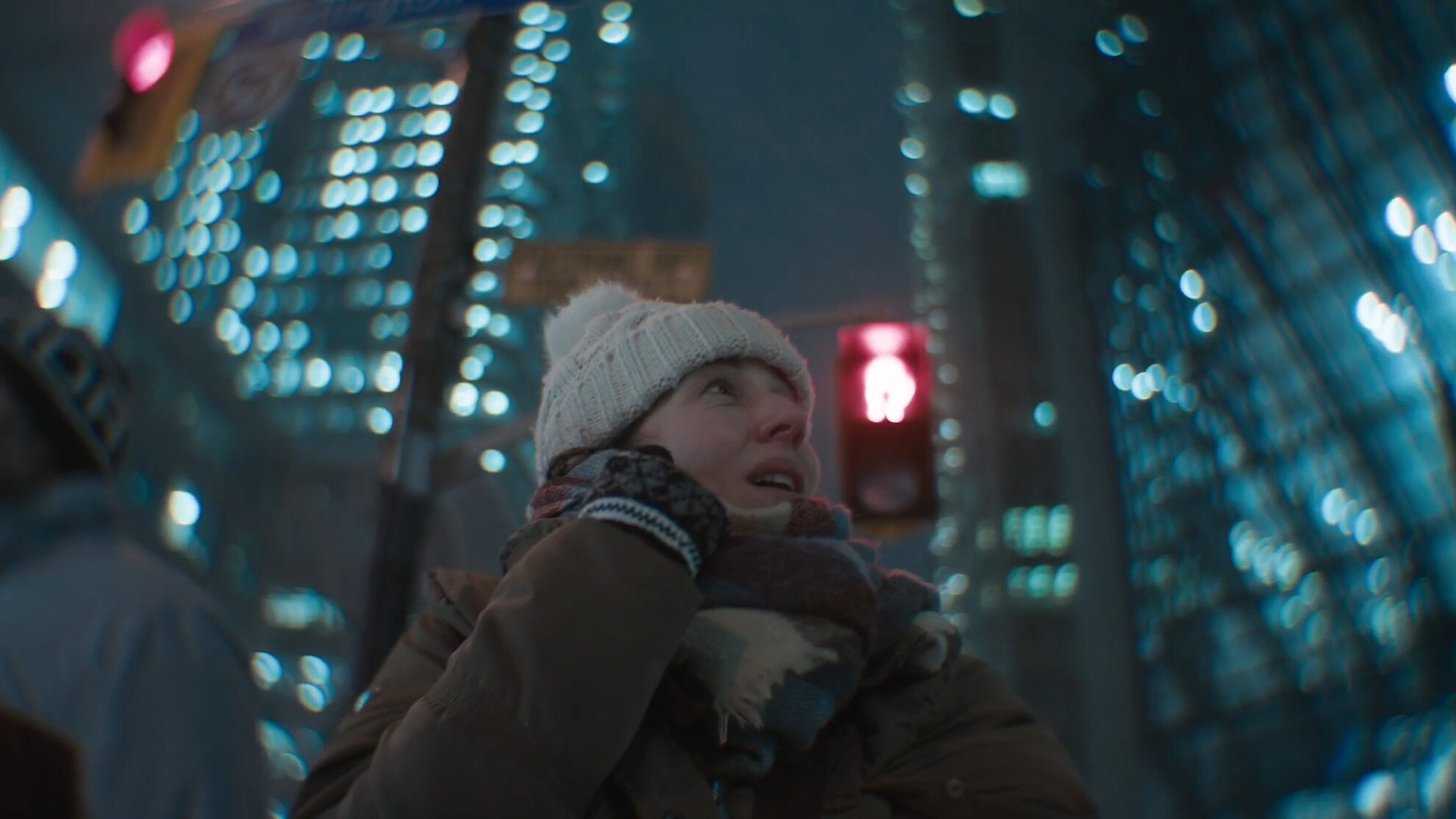
In S.A.D., a Latina immigrant living in downtown Toronto is diagnosed with seasonal affective disorder. However, as a newcomer to the country, her struggles are more profound than a lack of sunlight. Inspired by Sandre’s journey from Brazil to Canada, the film shines light on the immigration experience and its mental health challenges.
“I moved in the middle of the pandemic, and the film industry was very hard to break into. I suddenly saw myself without work, without a network, and feeling invisible,” said Sandre, noting that Canada’s harsh winters add pain to an already difficult process.
“It was as if my ten years of experience in the industry, my bachelor’s degree, and everything that defines me as a professional … was useless.”
Seeing friends going through the same challenges, she decided to write about her experience.
According to the Centre for Addiction and Mental Health (CAMH), the mental health of both immigrants and refugees tends to worsen with time in Canada. As a result, the Mental Health Commission of Canada has acknowledged an “urgent need to reduce disparities in risk factors, improve access to services and effectively respond to the mental health needs of immigrants and refugees.”
“For a country like Canada, which has so many immigrants, I was shocked by how little mental health support is offered – and that’s if you even have access to the system, which many do not,” said Sandre.
Making the film ended up being a positive experience. “Despite being a film where we had no budget, we had the support of amazing professionals, mostly immigrants like myself. It was a film truly built through community, made by many hands and by many people who resonated with the story being told. As a filmmaker, I couldn’t ask for more than a cast and crew who were passionate and dedicated to bringing this vision to life.”
Anyone in Canada experiencing a mental health crisis can also dial 988 to access the Suicide Crisis Helpline.