
Kristyn Wong-Tam –
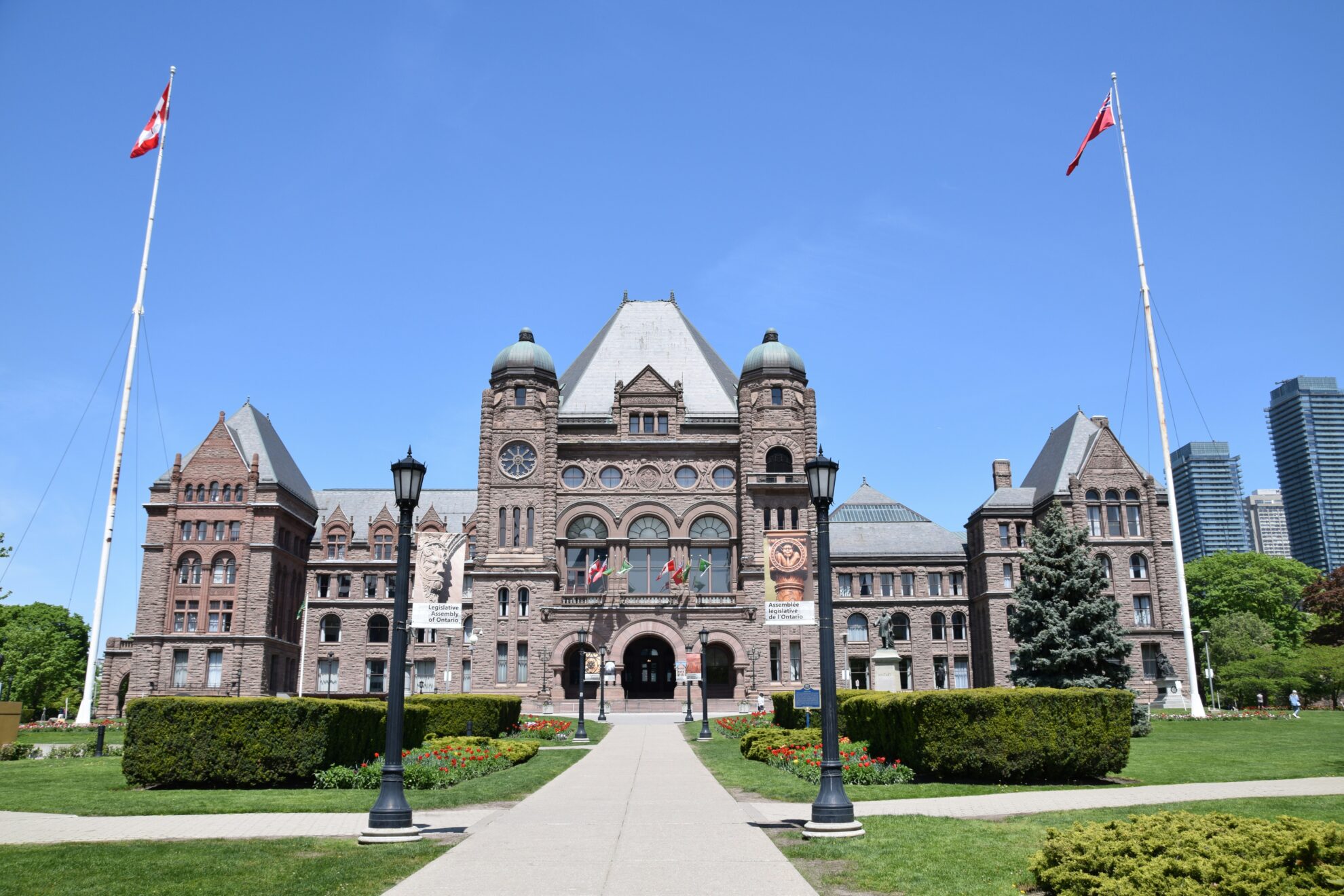
The Ontario legislature resumed March 23 after Premier Doug Ford and his government approved a 14-week winter break, the longest of any sitting government in Canada. Everyone protested – especially the Official Opposition Ontario NDP and Queen’s Park journalists – recognizing that government accountability and democracy be damned when Ford and his cabinet ministers are shielded from daily question period and media scrums.
Ford can evade responsibility for the time being, but inevitably the harsh consequence of failed policies and wrongdoing will catch up with him. This would be a reasonable assumption – but Ford defies reason.
After all, this premier and his government remain under federal police investigation for potential corruption, breach of trust and fraud related to reports that certain developers were given preferential treatment that increased their land valuation by over $8 billion in the scandalous Greenbelt giveaway.
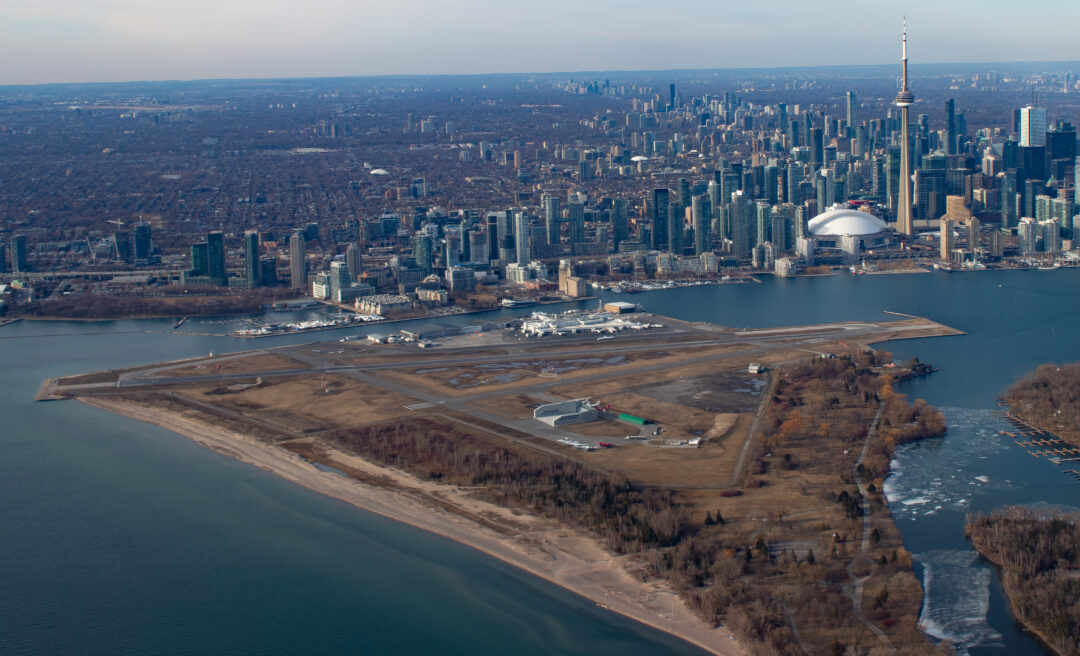
Instead of explaining himself, Ford hides behind outlandish announcements such as tunnelling under Highway 401 that will cost upwards of $100 billion dollars, paving over 336 metres of Lake Ontario to extend the runway of Toronto Island’s Billy Bishop Airport to allow jets over our waterfront, and his incessant talk of beer.
Remember Ford’s 2018 “buck-a-beer” campaign gimmick? His ripping up the Beer Store contract 19-months early and sticking taxpayers with a $225 million penalty so corner stores and gas stations could sell booze before last winter’s election. Now Ford is calling for “open carry” so you can “bring your own booze” (BYOB) to outdoor community and cultural events place in parks, parking lots and streets near you.
None of these policies are priorities of anyone I’ve spoken to in Toronto Centre.
Just when I think Ford can’t go lower, his latest bombshell proposal will gut 40 years of freedom-of-information (FOI) laws. Far from standing apart from his scandals, this move builds on them, and risks making future scrutiny far more difficult.
In Ontario, the Freedom of Information and Privacy Act (FIPPA) applies to a wide range of public institutions, such as provincial agencies, boards and commissions, colleges and universities, hospitals, the legislative assembly and all government ministries. Local governments are bound by comparable municipal FOI laws that require mayors, city councillors and senior leaders in publicly funded institutions to turn over phone records and emails used for business when asked by a member of the public.
Articles in this local newspaper have been written using Toronto City Council information obtained under FOI requests. It’s your right to know how your tax dollars are being spent and how your political leaders make those decisions, including who they talk to about it.
But Ford is no ordinary politician.
For years Ford has been spending tax dollars to litigate against public access to his cell phone records, communications and emails used for government business. After an Ontario Divisional Court sided with Global News and Ontario’s Information and Privacy Commissioner calling for their release, he is wasting more time and public money to appeal the decision.
To hedge his bets and a very possible loss on the appeal at the Superior Court of Justice, Ford is introducing new legislation to retroactively exclude records from the premier’s office, cabinet ministers, parliamentary assistants and their staff from public disclosure. He is changing legislation to permanently prevent the release of his phone records. Ford is a man of extremes, and this is one of his most radical extremist moves.
Reports suggest that even communications conducted on personal devices – texts, emails, call logs – could be shielded from disclosure. FOI laws exist so government decisions can be evaluated after the fact. Changing the laws to hide these records represents a profound shift and a further erosion to the underpinnings of our free and democratic society. Even Ford’s conservative base is agreement with progressive voters that he has gone too far. In a recent Abacus poll that reveal 60% of Ontarians opposed to Ford’s FOI changes, and this number jumps to 73% opposed to retroactive changes that block public access to Ford’s records. Rarely do we see such broad agreement on a single issue in a province as large and diverse as Ontario.
The Ford government’s most serious controversies were uncovered because of FOI requests and independent investigations. Ontario’s Auditor General found the government’s decision to open the Greenbelt benefited a small group of well-connected developers, she flagged that the process was heavily skewed, raising questions about fairness and political influence. Only through access to internal records have the public gained knowledge of what would have remained hidden.
If Ford’s proposed FOI changes are adopted, government officials will be literally left unchecked. Decisions can be made behind closed doors without the public ever having the benefit of any documentation trail. Opposition parties will have fewer tools to keep the government in check. Journalists will face more barriers in reporting on public interest matters. Researchers and civil society groups will have their access rights to government business and decision-making restricted.
Transparency and government accountability are not luxuries in a just and democratic society – they are required. Ford must be strongly reminded that being a lawmaker does not make him above the law. The law applies to all, or it applies to none.
Kristyn Wong-Tam is the Member of Provincial Parliament for Toronto Centre, and the Shadow Attorney General for the Official Opposition Ontario NDP.