
Christopher Hume –
It hasn’t been easy, but Toronto has finally accepted the fact it’s a city, a big city at that. Rather than running away from its future as a great Canadian metropolis, it has emphatically chosen to stand and embrace urbanity.
This was the election when Toronto rejected fear and loathing, opting instead to go all out to fulfill its civic potential. That will be no easy task, but if we are to succeed, we must first recognize the possibilities.
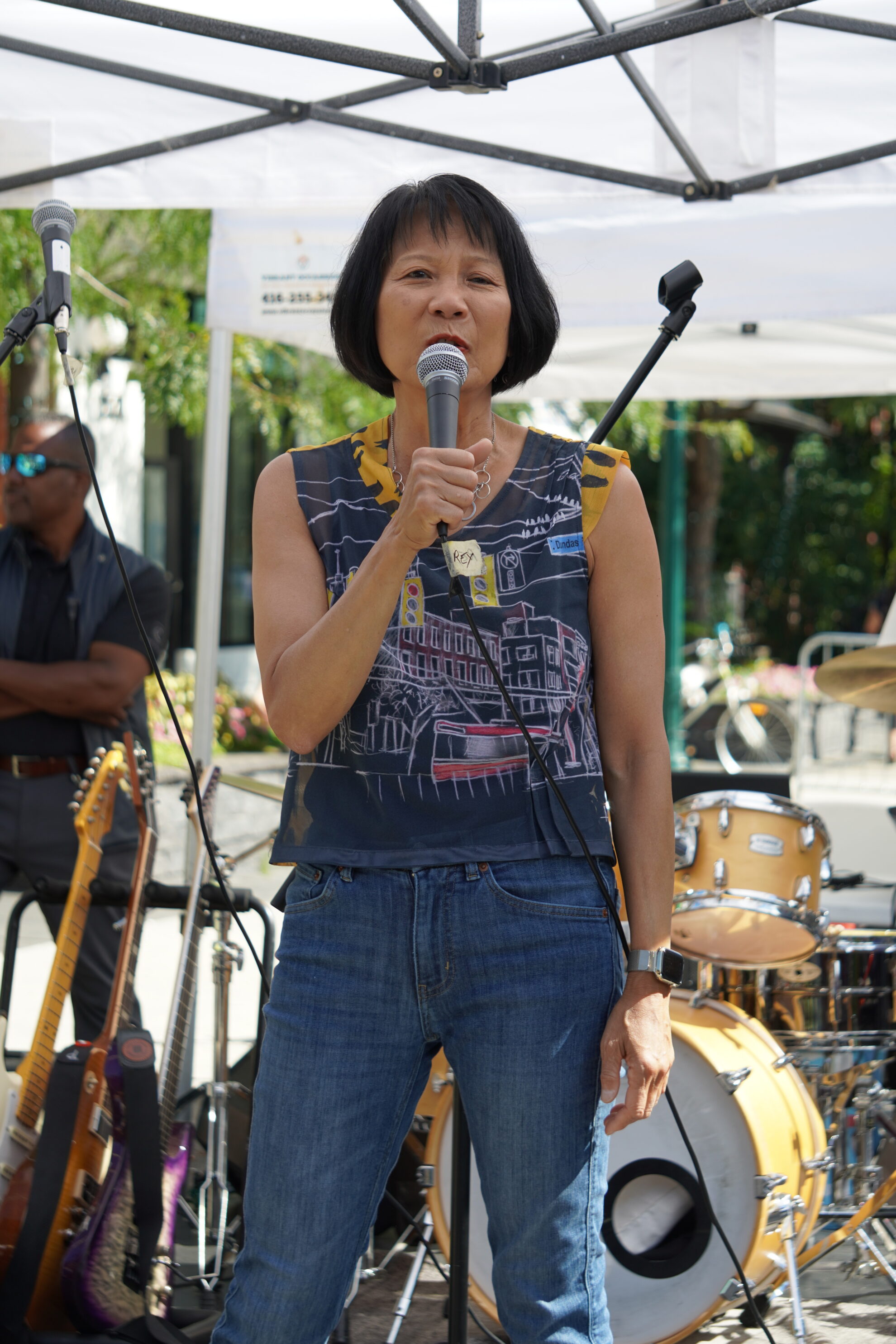
For Mayor Olivia Chow, the four years ahead will be hard but rewarding. The issues she faces – housing, transit, congestion, affordability – are overwhelming, and to be blunt, beyond her limited mayoral powers. But given the extent of her mandate, she is in a strong position to get things done. It is hard to name another Canadian politician who has won more votes – over 530,000 – than Chow did on October 26. After such a resounding victory, there can be no question she speaks for Toronto, perhaps for all urban Canada.
Though the polls predicted a close fight – one even put Chow’s conservative opponent, Brad Bradford, in the lead – unsurprisingly, they were wrong. But we shouldn’t forget that this city that elected Rob Ford and made itself a global laughing stock. It is also the city that routinely falls for politicians who promise to increase services while decreasing taxes. The math doesn’t add up, but we hear what we want to believe.
The essential difference between the two candidates, however, ran deeper than the usual economic blather. It boiled down to their understanding of Toronto and cities in general; for Bradford, they are nasty, brutish places awash in crime, congestion and confusion. The right would respond by hiring more police, increasing surveillance, erecting more walls and higher fences, and locking more doors. In short, they would turn the city into an armed encampment, a terrain traversed at our peril. Bradford would have a guard in every subway station and cop on every street.
While these sorts of concerns are genuine, there’s more to the story. Conservatives focus on the symptoms while ignoring – indeed, exacerbating – the causes. It’s true, for example, that the TTC can be scary. Just ask anyone who has travelled on the 505 Dundas streetcar.
Yet surely it would be better – not easy, but critical – to learn why the transit system and other public facilities like libraries and parks have become magnets for the homeless, the mentally ill, the addicted, the old and infirm. It can be done; until it was decimated by Finland’s newly elected right-wing government cutbacks, that country’s Housing First program (national, not municipal) was on track to eliminate homelessness by 2027. Now the problem has returned with a vengeance.
In Toronto, and much of the West, federal and provincial policies have turned housing into an industry beholden to shareholders, not consumers (renters and would-be home buyers). But what can Canadian mayors do? Not much. Removing “red tape” only goes so far. The thousands of tiny investor-friendly condos in Toronto exemplify the transformation of residential apartments into economic units.
Mayors have no choice but to work with the senior levels of government: Ottawa and the provinces. Though largely unacknowledged, Chow’s ability to co-operate with politicians who would otherwise be ideological enemies – Ontario Premier Doug Ford – is one of her strongest assets. Ford turned heads recently when he praised her publicly, describing her as “phenomenal.” Chow doesn’t win every battle, but with Ford, who always knows better, that’s impossible.
Above all, Chow’s victory is a reaffirmation of Toronto’s belief in itself, its self-confidence and even its civic pride. Many complaints about the city come from those unable and unwilling to adapt to life in a time of constant change, something experienced most intensely in towns and cities.
Conservatives like Doug Ford and Brad Bradford would have us believe they can keep things the way they were simply by hiring more cops, cutting taxes, reducing government and shouting louder. As this election reminded us, they are doomed to failure.