
Dennis Hanagan –
Thanks to the annual Doors Open event, the public will have free access to historic and architecturally significant buildings and sites across Toronto on May 23 and 24.
Doors Open started in France in 1984 and has spread to 50 countries, coming to Toronto in 2000. More than two million visits have been made to more than 700 Toronto locations since then – including to the downtown house of an 1837 rebel.
This year Doors Open (toronto.ca/doorsopen) features 168 locations, mostly in greater downtown but ranging from west Etobicoke to North York to east Scarborough. Its theme is The World in a City, to recognize Toronto hosting this year’s FIFA World Cup.
Toronto lost many historic buildings in the mid 20th century when the city underwent massive urban redevelopment. Adam Bunch, independent historian and history professor at George Brown Polytechnic, says Toronto is known as a city that hasn’t always appreciated its own history.
“Lots of old buildings in that era were being demolished to make room for parking lots that have since been gradually filling in,” he told the bridge. “Wherever you look in the city there are stories of these beautiful old buildings that we’ve lost.”
As Bunch explains it, loss of these buildings also means the loss of opportunities to learn. “The more we understand about that history, that process and those people’s stories, the more we understand about the city and how it works – and therefore how we can make it better.”
This year Bunch is leading a tour from City Hall to Kensington Market to trace the roots of Toronto’s multiculturalism. He promises to tell strange, unexpected and unique stories along the way.
The route will cover the extinct neighbourhood of what was known as The Ward, where City Hall now stands. Many new immigrants settled there when they arrived in Toronto in the 1800s and early 1900s.
According to Bunch, Toronto “was an incredibly British place and not very multicultural.” But “those two neighbourhoods, The Ward and Kensington Market, helped lay the foundations for our multicultural city of today.”
Bunch says his Kensington tour will focus more on buildings that are gone forever rather than on buildings that still stand. He laments the architecturally distinctive buildings Toronto has lost, including the University Avenue Amouries –“almost like a castle” – where soldiers trained for both world wars
Another was The Arcade that once stood at Young and Shuter Streets and featured ornate interior woodwork. “It was a small early version of a mall,” says Bunch.
In the first week of June, Bunch will host his own history festival called the Festival of Bizarre Toronto History (bizarretoronto.com/).
Other Doors Open locations near downtown include:
The Daniels Building – a Gothic Revival-style building from 1875 at 1 Spadina Crescent. A young nurse’s aide worked here in the First World War and later became the first woman pilot to fly solo across the Atlantic Ocean. Her name was Amelia Earhart.
Billy Bishop Airport – Pilots with the Royal Norwegian Air Force trained here in the Second World War. Sadly, says Bunch, a pilot with the sun in his eyes on takeoff died with his student pilot when their plane crashed into the second deck of the Sam McBride ferry, which still takes visitors to Toronto Island.
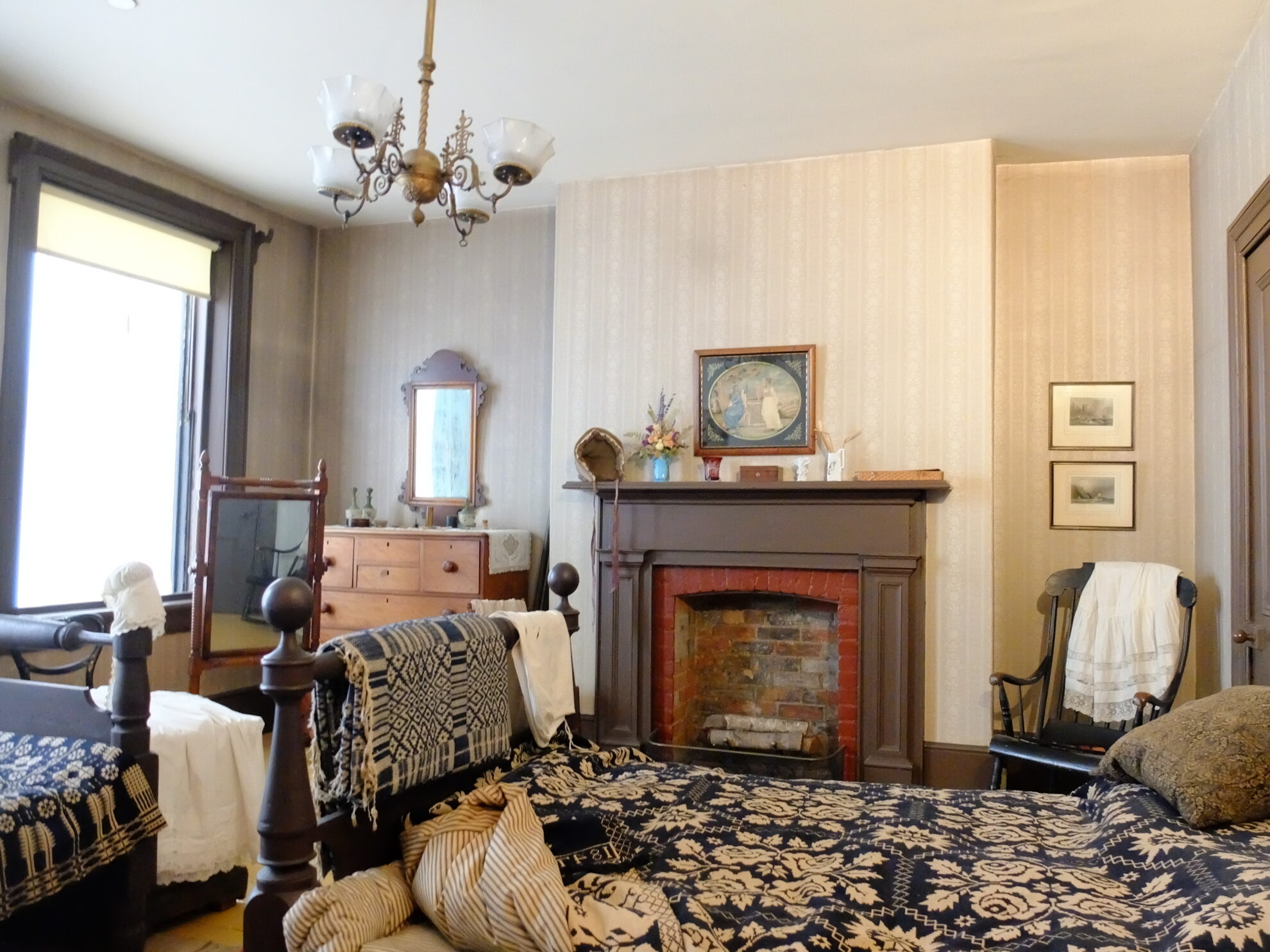
Mackenzie House – At 82 Bond Street, William Lyon Mackenzie, Toronto’s first mayor, died in 1861. He was an outspoken newspaper publisher and leader of the 1837 Rebellion against colonial rule. In 1826 his enemies wrecked his newspaper office and threw his metal type into the lake.
Market Gallery – A building within a building at Front and Jarvis Streets occupying the second floor of the South St. Lawrence Market. It’s what remains of Toronto’s 19th-century City Hall council chamber from 1845–1899. While its windows overlook the market’s isles and vendors, today it features art, cultural and historical exhibits from the city’s collections.
Campbell House – This mansion at Queen Street and University Avenue once stood in Old Town Toronto where the Chef School of George Brown Polytechnic now stands. It was built in 1822 for Upper Canada’s chief justice, Sir William Campbell, and his wife Hannah. Threatened with demolition, it was gingerly uprooted in 1972 and transported with public fanfare to its present site.