

Eric Dietterle –
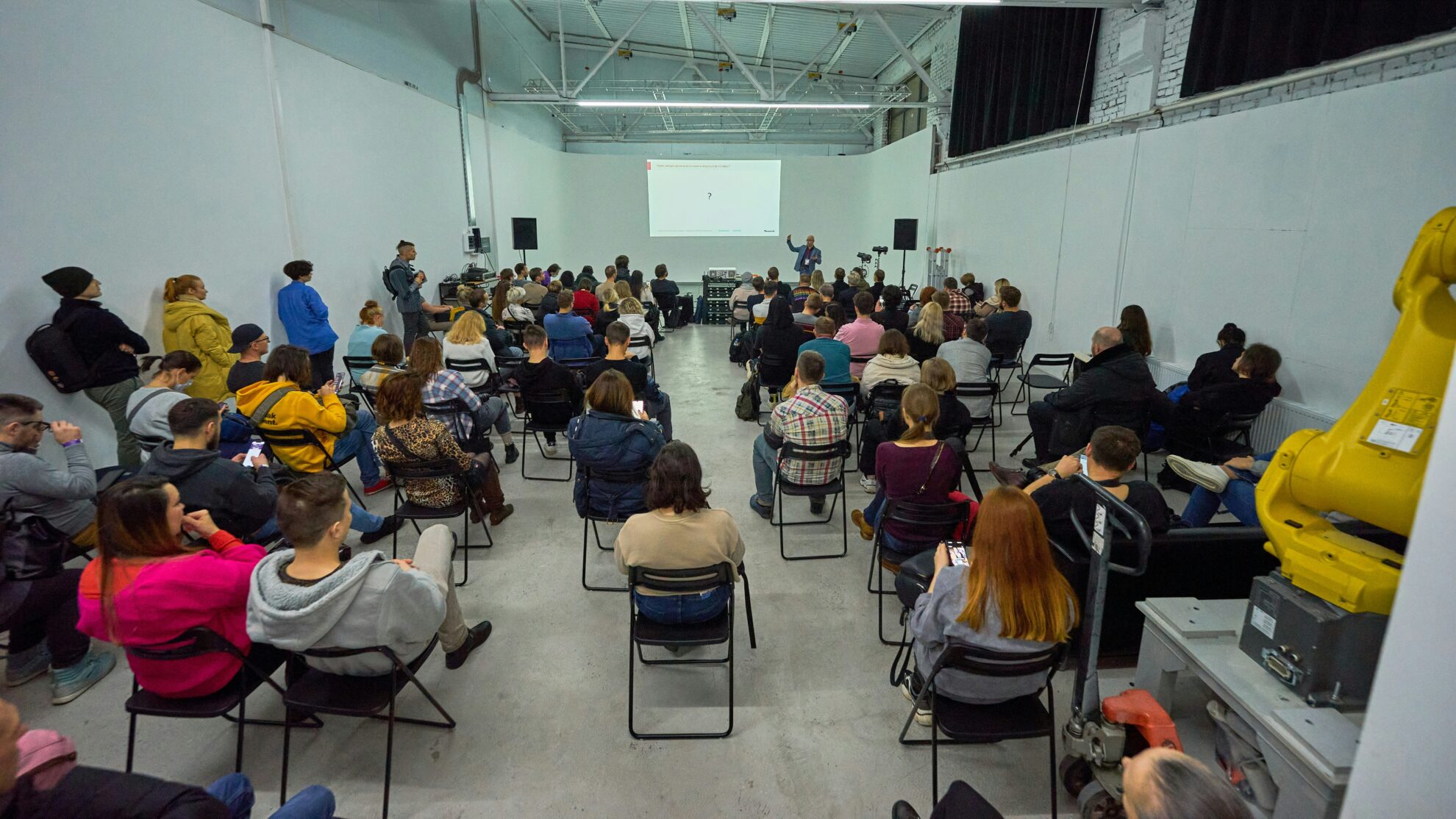
Across many neighbourhoods, City of Toronto “Development Application Notice” signs have become a familiar sight. One of the first public steps after a sign appears is a community consultation meeting for residents to learn what is proposed and to share feedback.
Some residents attending are concerned about height. Others worry about construction, shadows or traffic. Many support new housing but question whether the proposal makes sense for the site. What people often share is a sense that the process feels unclear and that key decisions may already be out of their hands.
Community consultations are meant to give residents a voice, but in practice feel more like a box-checking exercise. I understand that frustration. I live here and attend these meetings not just as a realtor, but as a neighbour.
By the time a project reaches consultation, core parameters such as height, density, and built form have been set by planning frameworks. Adjustments can occur based on city planning feedback. However, the range of outcomes residents imagine is often wider than what the process realistically allows.
This gap between expectation and reality contributes to frustration. Residents believe they are deciding what gets built, while planners are assessing how a proposal fits within established policy.
I have attended consultations where the disconnect was impossible to ignore. At one recent meeting, no presentation was delivered. At two others, Toronto Centre Councillor Chris Moise stumbled over the locations of the proposed developments, misstating the intersections where the sites are located. Both times the room erupted in heckling, with residents accusing him of not caring and even suggesting he was in the developer’s pockets.
That loss of trust reflects a deeper problem. When even elected representatives appear unprepared, residents question whether the system is functioning.
Confusion is further compounded by how city policies are applied. Toronto’s Tall Building Design Guidelines, for example, recommend 25 metres between residential towers. Yet many approved and proposed projects provide closer to 20 metres.
When residents raise these discrepancies at consultations, they are typically told the guidelines are flexible or only one consideration among many. This can make city rules seem meaningless.
The result is a system that leaves nearly everyone dissatisfied. Residents feel unheard. The city blames provincial policies. Developers receive little constructive feedback. And planning staff sit through tense meetings with limited ability to explain what is within municipal control.
This disconnect extends to infrastructure planning. Schools, parks, transit capacity, and community facilities are rarely aligned with the scale or timing of proposed growth. When development is disconnected from services, trust erodes.
Toronto remains a highly desirable place to live, yet affordability pressures are pushing residents out. While the city has added significant housing supply, a slower market has some projects being reconsidered. This suggests a deeper issue: building more units alone is not enough. What gets built, and where and how it fits into neighbourhoods matters just as much.
This makes consultation meetings important, but they have become outlets for broader frustration about growth, affordability and change. Residents direct anger at the project before them, sometimes for valid planning reasons but at other times from expectations far beyond what the proposal can realistically address.
General opposition to development or complaints about lost views rarely influence outcomes.
The most effective feedback focuses on specific planning issues within city influence. Ask how the tower conforms to tall building design guidelines. Question how infrastructure capacity is addressed. Raise concerns about shadows on public spaces and which policies the project departs from.
If consultations are to feel meaningful, residents need clarity about what aspects of a proposal are truly open to input and what falls outside municipal control. Meetings should begin by explaining scope: what can change, what cannot, and how feedback can influence outcomes.
Residents should understand who ultimately decides height and density, whether city guidelines function as firm standards or flexible targets, and how infrastructure planning is coordinated with development.
Growth and good planning should not be opposing forces. Until the roles and limits within Toronto’s planning system are more transparent, community consultations will continue to feel like theatre.
I recently explored these themes on my YouTube channel, Eric D Realtor, breaking down local proposals and what they reveal about the system. But this conversation should not be confined to social media. It belongs in our neighbourhoods and in the processes that shape them.

2 Comments
Many of us in our building were stonewalled – ignored – over-ruled, by all levels – – – by our own boards, by our own community associations, by our city officials, by our provincial officials – – – and now we have to live with the results that we KNEW would come – – – from jamming in too much into too little space [ even if the aesthetic design is *good*, the logistic site layout with too much in too small a space does not work ].
Great piece Eric – and also enjoying the deep dives on your YouTube channel. Community consultations are often tense (this affects us directly after all) but they don’t have to be this divisive.
They’re supposed to be engaging and participatory… and people deserve to feel heard… and as if they actually matter.