

Christopher Hume –
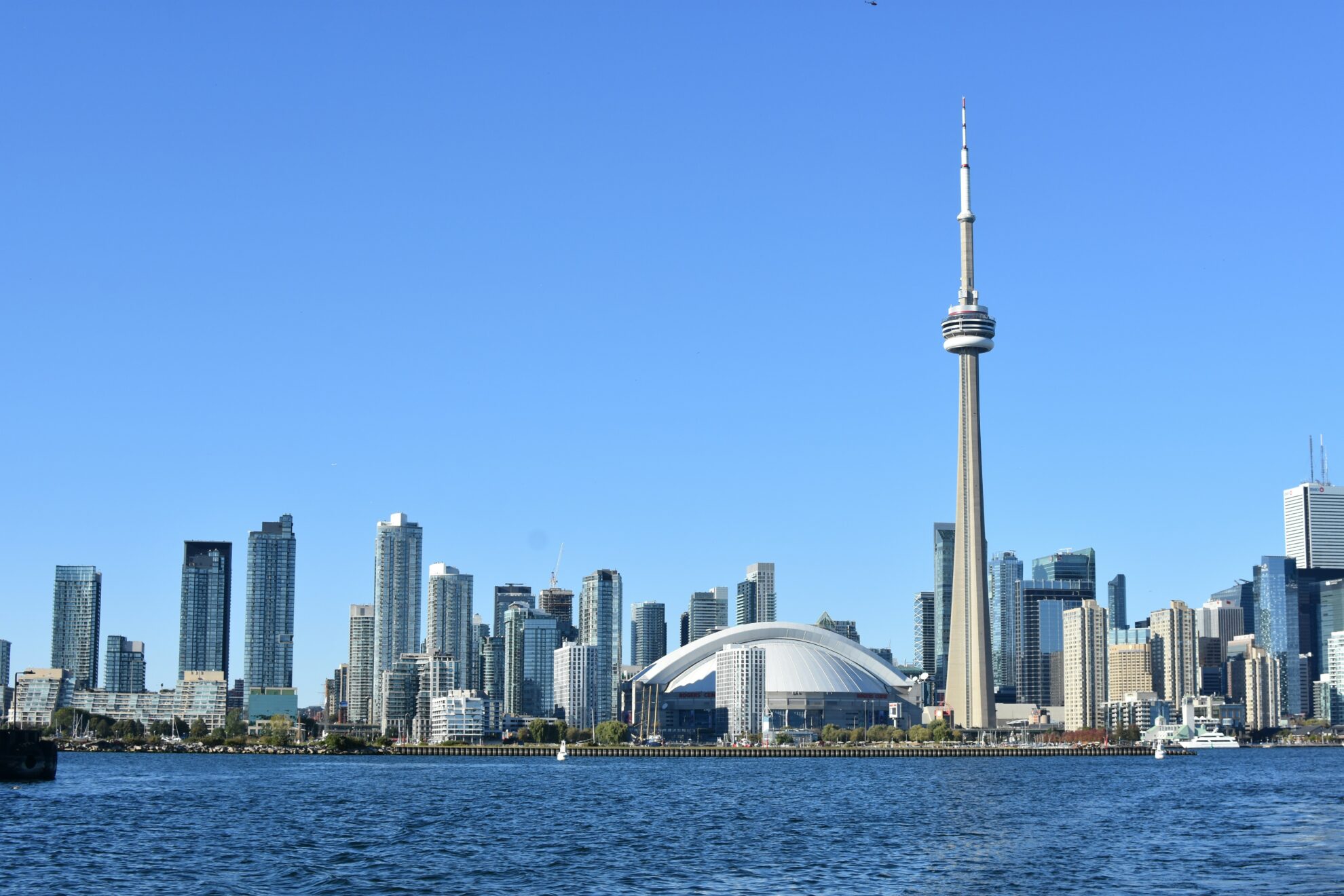
For all its many virtues, real and imagined, Toronto has never grasped the need to play to its strengths. It spends vast amounts of time and energy trying to be something it isn’t, namely, an auto-centric suburb.
Despite its wildly misguided commitment to the car, in reality this is one of North America’s great walking cities, patiently waiting to be liberated. Having studiously ignored its 19th-century roots for decades, it’s no surprise Toronto has ended up with the worst of both worlds, old and new.
Though Ontario Premier Doug Ford is determined to transform Toronto into Canada’s largest suburb, it has emerged as one of the continent’s few genuine metropolises. So this is the time for Toronto to grow up and realize its potential not simply to be the biggest but also the best.
This isn’t something with which all Torontonians – even those stuck in traffic – are comfortable. In the 21st century, enlightened cityhood is about more than accommodating traffic. The world’s leading cities – Paris, New York, Copenhagen, Tokyo, Oslo – have changed the rules. Congestion zones, electric vehicles, innovation clusters and carbon neutrality are some of the characteristics that define the city of the future.
In every example, the paradigm shift included a move away from conventional auto-dependence. Some prioritize bicycles, public transit and pedestrians over cars. Others have introduced tolls for those who choose to drive in cities. They have recognized that cars are a hindrance as much to mobility as to environmental health.
Sadly, Toronto has allowed the TTC to deteriorate to the point where ridership still hasn’t recovered from its decline during the Covid-19 pandemic. Underlying this state of affairs is the culture of a city that has refused to accept the superiority of public transit over private transport. Transit, we believe, is fine for young and old, and the poor, but not middle-class people going about their daily business. And so, despite the growing frustration, we have allowed the TTC to fall into disrepair and unreliability.
Ironically, Covid also revealed how hungry Torontonians are for the pleasures and perks of urban living. The street life that emerged during the pandemic was a wonder to behold. Yet today it is threatened on every side. Why?
The simple answer is traffic. The pressure to keep it moving trumps everything, whether bike lanes and sidewalk cafes or pedestrian safety and speed cameras. Parks that during Covid became city-wide destinations for sunset-viewing, walking, exercising and picnicking are grudgingly maintained and until recently, the site of multiple tent communities.
When King Street was declared a priority transit corridor in 2017, it came with an ambitious program of street furniture, fewer left turns, co-ordinated traffic lights and the like. The initiative was like few others in Toronto’s history. Today little remains. The furniture is gone and drivers routinely ignore whatever rules remain, which police don’t bother to enforce anyway.
Was the scheme a success? Who knows? It was scuttled before we had a chance to find out.
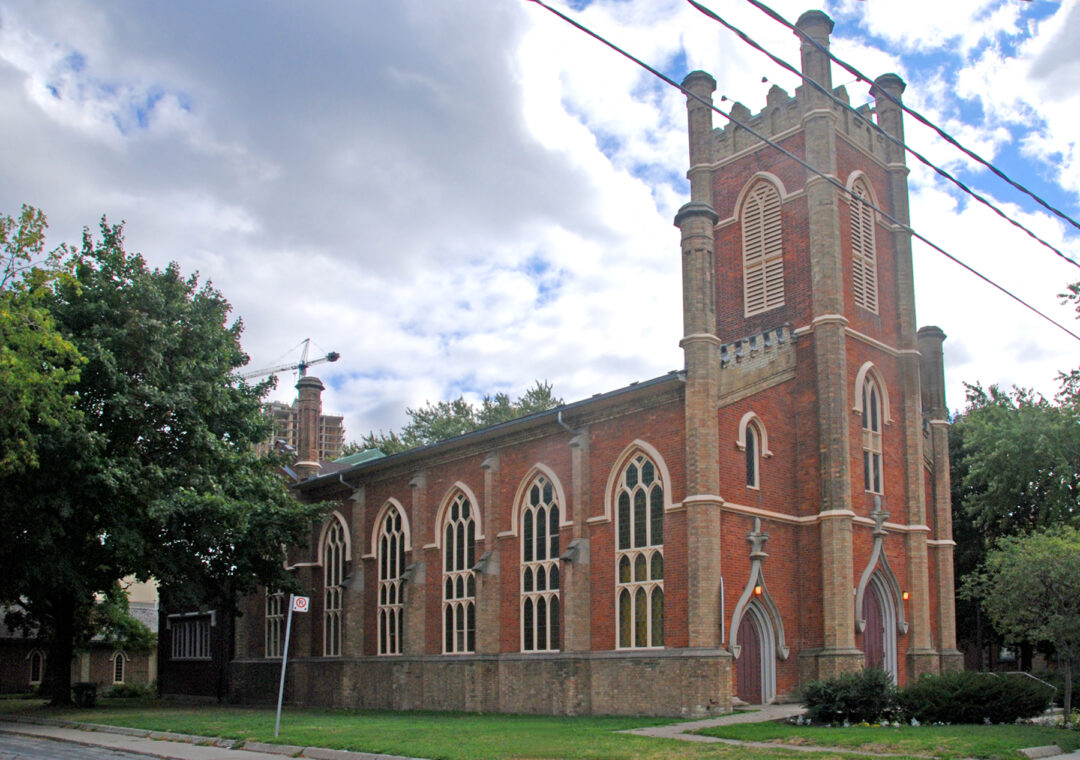
Speaking of King Street, a block east of Sherbourne Street has sat empty for years and allowed to fall apart. It seems that the owner, Emblem Developments, whose grandiose condo project for the site has apparently been disrupted by the real estate crash, has turned a stretch of one of the city’s most important streets into an embarrassing eyesore. The city, sitting on its hands, has done nothing. The sorry state of King Street East is a reminder of the city’s willingness to tolerate shabbiness and leave its heritage unprotected.
What we should promote is walkability, compactness, diversity and density. What we now call “Old Toronto” is emphatically pedestrian friendly, engaging, varied and human-scaled. Though the city has done little to take advantage of that, there are occasional signs of change at city hall.
The Yonge Street plan – officially, yongeTOmorrow – is a step in the right direction. Though not exactly thrilling, it would see Toronto’s main drag between Queen and Carlton Streets shared equally by pedestrians, cyclists and drivers. Sidewalks would be widened, traffic lanes reduced, street furniture added and trees planted. But don’t get too excited; the idea has been around for years and according to city documents, construction – if approved – won’t begin until 2030. The design process alone, launched in 2024, will continue until 2028.
Any slower and we’d be moving backward. Perhaps we already are.
2 Comments
Excellent piece – As you rightly say we need to look to the organic urban successes in long-standing major cities. Embracing and then abandoning the latest trends from the United States (urban or suburban) creates the worst of both worlds.
Agree! We need to get closer to London in maintaining and building use of transit and curbing cars and enhancing the great pedestrian stretches and parks we have.