
Rodrigo Huerta Aguirre –
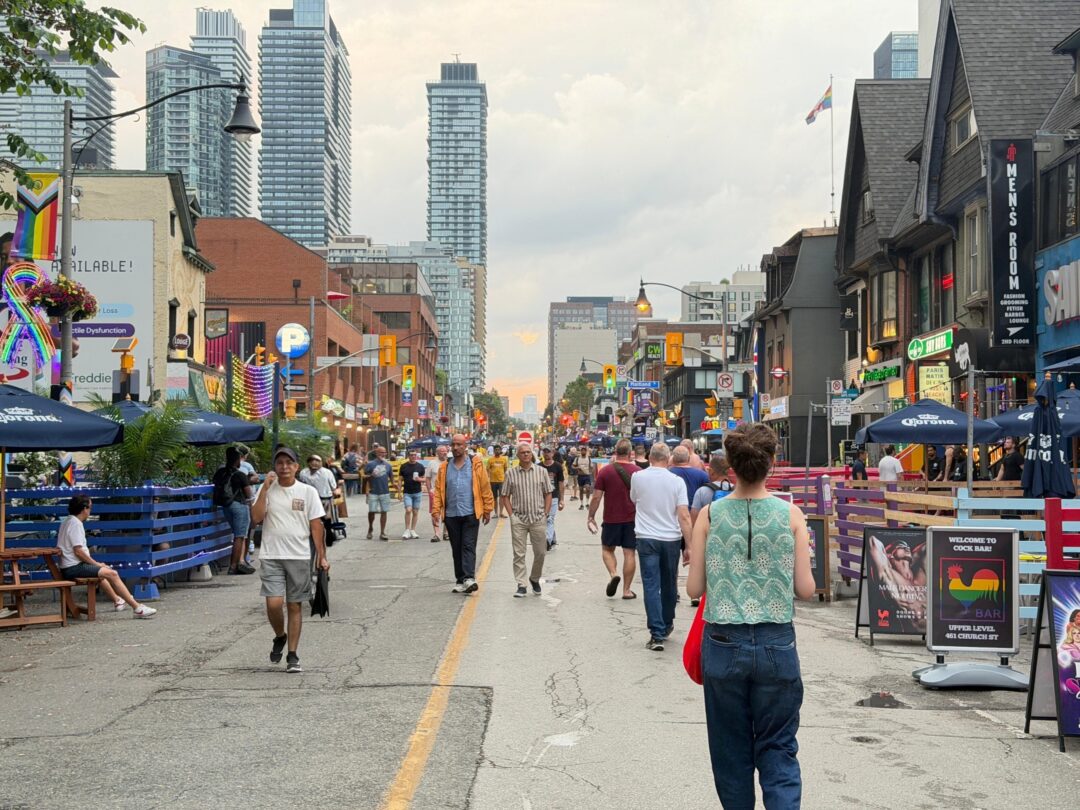
A motion to pedestrianize a portion of Church Street this summer was unanimously approved at the Toronto and East York Community Council on April 30.
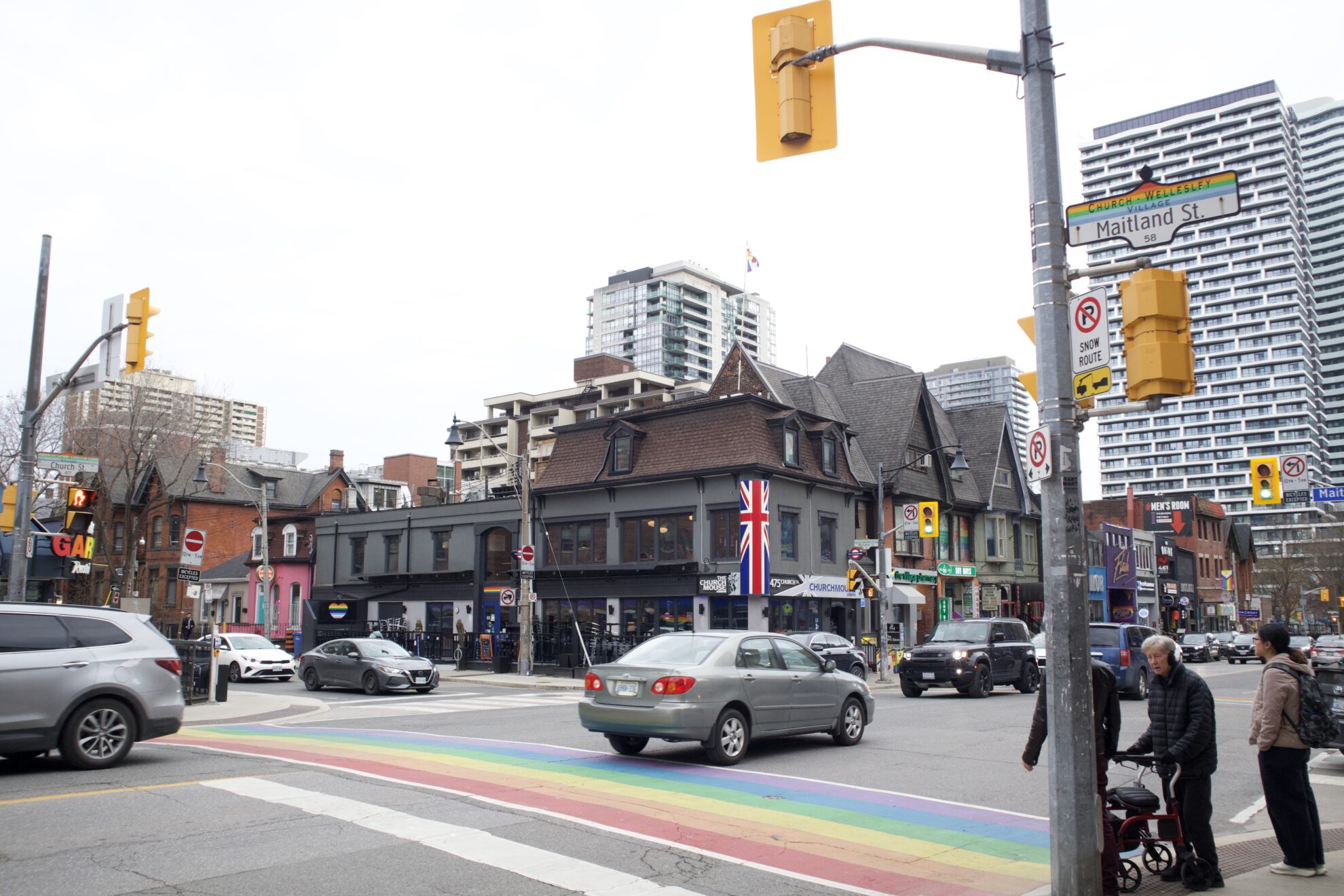
The pilot project would cover between Wellesley Street East to Alexander Street from June 19 to August 21, keeping east-west traffic open for vehicles. This year’s Pride Festival runs on the weekend of June 25–28.
“This proposal builds on the success of Church Street and honours community milestones while better serving the residents and businesses of the Village,” said Toronto Centre Councillor Chris Moise in a letter to the council. His office and the Church-Wellesley Village BIA started working on the pilot last August after noticing a map redesigning Church Street as a pedestrian-only corridor, created and shared on social media by local transit advocate Rodney Chan.
A regular in the Church-Wellesley Village’s many bars and restaurants, Chan says foot traffic often spills out on the street. “It would be beneficial to everyone to create a better public space there,” Chan told the bridge.
City staff helped plan the size, safety and traffic flow for the pedestrian zone, and the final design is going to City Council in late May. “We’re almost at the finish line.”
Drawing from Montreal’s pedestrianized Sainte-Catherine Street and advice from its city councillors, Moise told the bridge he hopes to replicate its success. “Unfortunately, different rules and guidelines govern each city. Montreal’s existing pedestrianization policy enables them to transform streets more smoothly and efficiently.”
Because Toronto lacks a formal street pedestrianization policy, Moise emphasized, his office worked directly with city divisions and sought funding from the Church-Wellesley BIA and private investors. The councillor also took pride in past pedestrianization projects, such as on Market Street, Scott Street, and Leader Lane.
But Chan believes that these projects are not challenging enough. “Church Street will really show what’s possible,” he says.
City staff received more than 50 emails and six letters from community groups that supported the project. But risks include insufficient data on pedestrianization effects on traffic congestion, emergency response, staff resources and security considerations, staff said.
Moise said preliminary results of a survey from his office about the pilot indicated that at the time of publication 96 per cent of respondents supported the project and 79 per cent advocated for a longer street closures.
Support for pedestrianization in Toronto Centre was evident at a public consultation on the yongeTOmorrow project on April 21. In the meeting, city planners revealed that yongeTOmorrow, which began planning in 2019 and is currently at a preliminary design stage, will not commence construction until after 2030.
YongeTOmorrow originally envisioned a few fully pedestrianized stretches of Yonge Street, but these had disappeared in the model presented at the consultation. During question period, numerous mentions of pedestrianization garnered cheers and applause from audience members, but some said they were disappointed with staff answers.
“They didn’t really answer the question I asked,” Kensington Market resident Matthew Froggatt told the bridge. “I asked whether or not they would consider reducing the amount of traffic. […] They said the traffic wasn’t high enough to think about it.”
“I’m disappointed as well,” said Chan, who recognized the importance of yongeTOmorrow but labeled it “unambitious and uninspired.” As on Church Street, he argues, there is a “scramble” of people walking on the streets and some intersections around Yonge and Dundas Streets could be pedestrianized.
Early during the development of yongeTOmorrow, Cadillac Fairview and the Downtown Yonge BIA asked city staff to consider blocking permanent street closure and bike lanes from the project’s design. Moise suggested that a successful Church Street pilot could put pedestrianization back in the yongeTOmorrow project. “I hope we will get there eventually.”
“We all want to live in these places. […] But the moment we try to do this at home, people don’t want to fathom that,” Chan said. “I think it does require some shift in mindset and embrace that there are ways we can creatively use our streets.”