

Christopher Hume –
Toronto has become a city of shut-ins. Whether it’s a Covid-19 hangover or not, we’re staying home more and going out less than ever. Though the nasty winter of 2026 hasn’t helped, for many of us Home Sweet Home has never seemed sweeter.
Of course, there are reasons other than the weather. Getting around the city has never been so maddeningly slow, unpleasant and, too often, dangerous. Despite two new LRT lines that opened recently after decades of waiting, TTC service feels worse than in the days when it ran on trolley buses, PCC streetcars and a solitary subway line from Union Station to Eglinton.
Traffic is equally appalling. Why we can’t deal with it by, say, introducing ways of speeding up construction remains a mystery. In a winter like this, something as basic as clearing the snow is an issue of grave concern. You’d think it had never snowed before.
Clearly, what this town lacks is not just civic competence but a sense of urgency. “Never do today what can be put off until tomorrow,” is Toronto’s unspoken motto. Few municipalities suffer their success more deeply than does Hogtown.
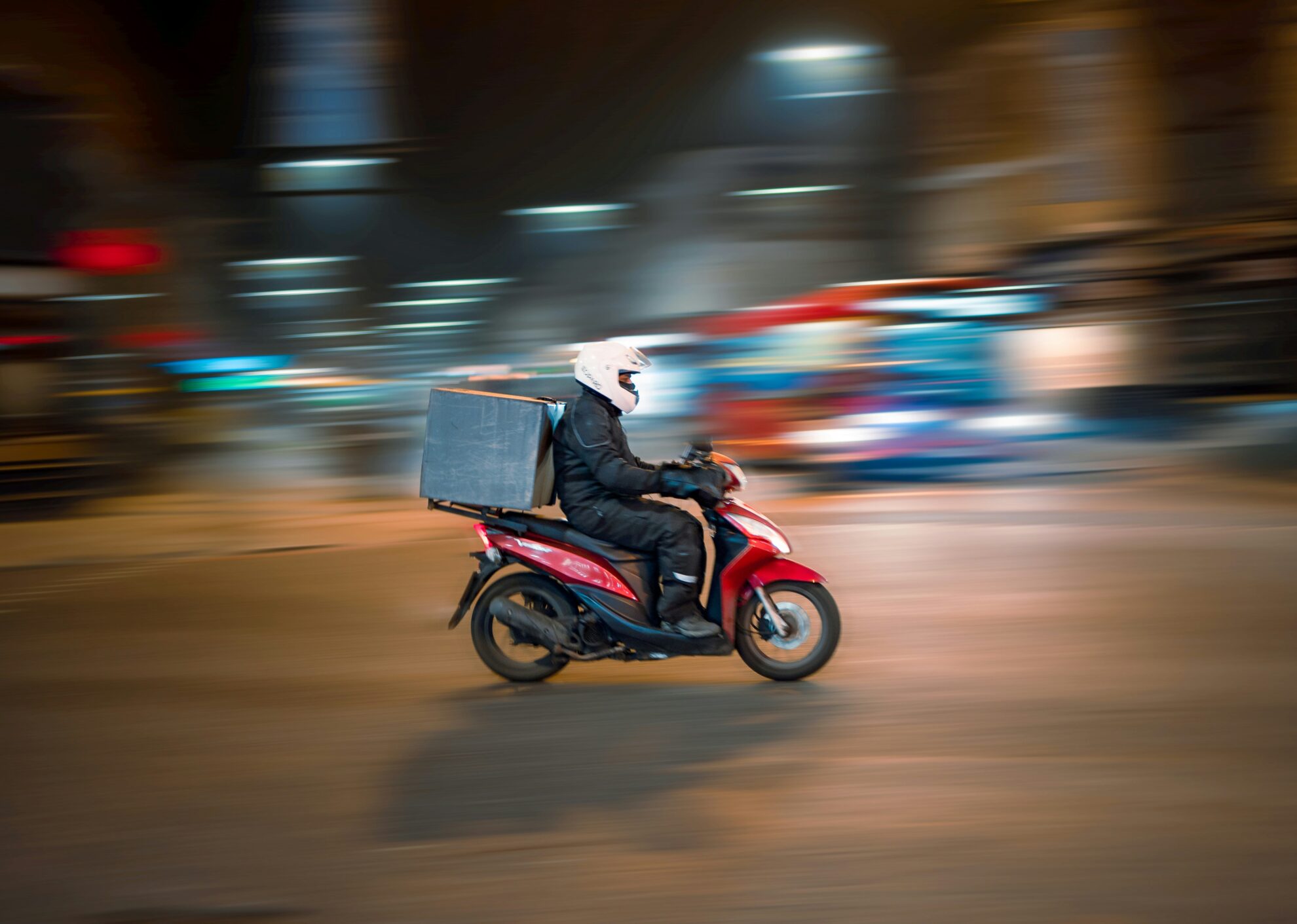
On the other hand, there are winners. One is the delivery industry, that migrant army of e-bikers who transport the takeout lunches and dinners, the goodies, groceries and god knows what else 21st-century Torontonians require to live their increasingly hermetic existence uninterrupted. We’ve reached the point where the foot traffic in local eateries is half customers, half couriers. People who come for a sit-down meal find themselves in the way of the constant flow of helmeted porters picking up the next meal to go.
The great withdrawal doesn’t end there. More of us than ever no longer go to the movies. Attendance is down 46 per cent since 2018. The decline accelerated during the pandemic, but even when that ended fans didn’t get off their butts; it’s too easy to watch at home.
As we write, Queen’s Park is waging war against provincial employees who have been ordered to return to the office but would rather work at home.
The idea of getting out of the house or office to enjoy the big city and the larger community carries less appeal when we live through a screen at home. Now that participation in the outside world is viewed as inconvenient and irksome, staying put suddenly seems appropriate.
In Toronto, pressure to make density attractive has long since given way to our desperate need to keep taxes low, traffic flowing and the cost of living cheap. And so the city becomes a place we move through on our way somewhere else. This suburbanization of urban spaces leads to an increasing sense of separation and disconnection between individual and community. Indeed, the very notion of community is itself threatened when people decide they would rather withdraw, thank you very much.
In Canada, where for most people mobility means driving, this growing isolation is fueled by the vehicles in which we travel. The protective, womb-like comfort of the single-occupancy automobile transforms it into a form of domesticity on wheels. A man’s home is now his car as well as his castle.
The problem is that we must share these moveable homes with countless other drivers all crawling in the same direction at the same time, out in the morning, back at night.
The appeal of remote work and the remote life it implies is not hard to understand. When self-proclaimed futurist Faith Popcorn coined the term “cocooning” in the 1980s, this may not be exactly what she had in mind. Nevertheless, the ongoing retreat from community, indeed, from the world, has clearly been a feature of contemporary culture for decades.
This shouldn’t come as a shock; we do live in nasty, brutish, even perilous times. From transit to tariffs, employment to the environment, we face existential threats at every turn. Inevitably, however, is it better to deal with them individually or collectively. Everyone for themselves or united we stand?
To lose community is to lose connection. The shared spaces of the public realm are the underpinning of a functioning society; to abandon them is to abandon ourselves.