
Julia Frankling –
Cold plunging and saunas have exploded in popularity across Toronto – evolving from wellness rituals into social events, fundraisers, and even alternatives to dating apps and nightlife.
The ancient ritual of extreme temperature therapy has been practiced across cultures for millennia. Advocates cite benefits such as improved circulation, reduced inflammation, lymphatic drainage, boosts in immunity, energy and mood, and stress regulation. In 2026, the appeal extends well beyond the physical.
Social benefits may be just as powerful.
As younger Canadian generations become increasingly health conscious, their alcohol consumption continues to decline. Many adults are seeking connection that doesn’t revolve around excessive late night drinking. Instead of bars and clubs they are turning to saunas and ice baths, preferring nervous system regulation, mindfulness and communal resilience.
Cold plunge and sauna studios have been popping up across the city, including chic spa settings, an outdoor floating plunge along the waterfront, and sober rave-style events.
Drop-in sessions cost $45-$85 per visit. While community-led polar bear dips in Lake Ontario are free.
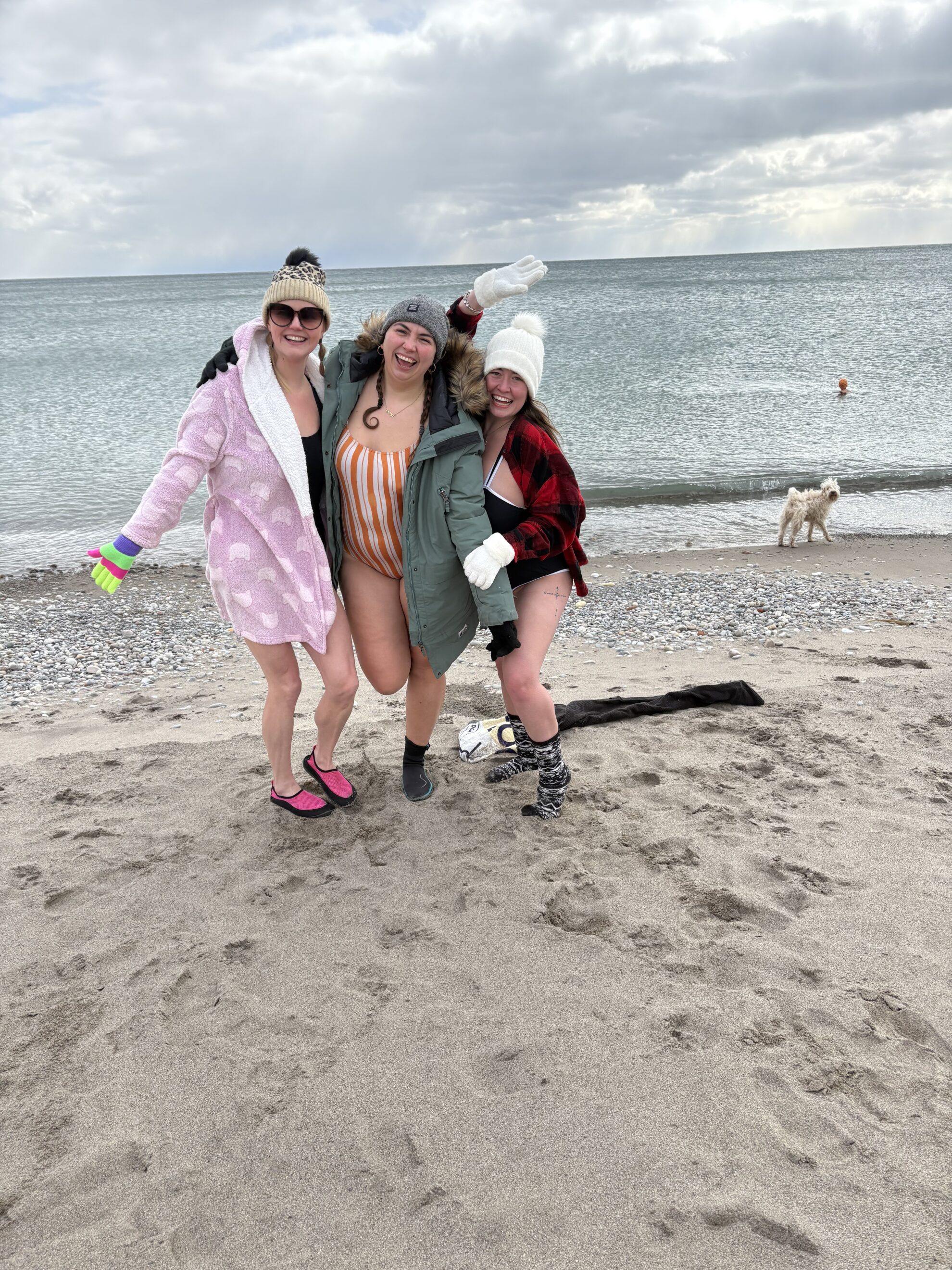
On January 1, an estimated 2000 or more people gathered at Woodbine Beach for a mass New Year cold plunge supporting youth mental health — a record turnout.
For Valentine’s day, Othership, an immersive sauna and cold bath spa, hosted singles and couples events to foster and strengthen romantic connections. Jessica Sordo, who attended a singles event said the experience felt very different from meeting someone at a bar or through a dating app.
“It definitely requires confidence as you are in a bathing suit. The experience changed how I connected with others — you’re experiencing the thrill of a cold plunge together, sharing tips and encouraging one another.”
She left the event with two dates — “no love story,” she joked. But she would attend one again. “It’s a much better environment to find like-minded and intentional individuals compared to a traditional bar or party environment.”
Indeed, shared physical challenge accelerates vulnerability and moves conversation beyond small talk.
Skeptics might assume such gatherings could turn into a gawking meat market, but most facilities discourage flirting on site and emphasize respect and consent.
Cold plunge enthusiast Brandon Charron sees parallels between wellness spaces and traditional nightlife. “It’s like a new nightclub; you pay the highest cover you’ve ever paid and spend your weekend night without substances to lubricate your social connections. People are using their parasympathetic system to get high.”
The DJ booth may still be spinning music you might hear at the club, but vodka sodas are swapped out for herbal tea, and little black dresses for swimsuits. Extreme temperatures, breath and connection – not substances – provide stimulation.
To newcomers, the atmosphere can feel intense, some say even cult-like. Guided sauna sessions often encompass affirmation chanting, breathwork, sound baths, childhood regression meditations and group reflections. Sometimes two topless male guides wearing banya bonnets may be fanning aromatic steam with towels. To regulars these are just structured practices to deepen collective presence.
In a city enduring long, dark winters, the appeal is understandable. Seasonal depression affects many Canadians, and ironically cold therapy can help beat the winter blues.
Dana Kim, a regular sauna-goer, said the heat provides a grounding counterbalance, and the practice has helped regulate her anxiety during a challenging year.
“Thirty seconds in the ice plunge were often the quietest and most peaceful moments,” Kim said. “It genuinely felt like the world stopped. It became a reset for my nervous system.”
Studios are also tying their programming to community causes. Greg Aguilera, director of Revive Wellness Club which supports organizations such as Sinai Health and the Centre for Addiction and Mental Health (CAMH), sees the trend as part of a cultural shift.
“We see ourselves as part of Toronto’s broader health ecosystem,” Aguilera said. “What matters to us is nervous system health, mental wellbeing, and sustainable community.”
Revive is hosting events supporting local health, including an International Women’s Day plunge challenge, and a restorative workshop in support of Mount Sinai on March 8.
Aguilera believes the appeal lies in an organic social environment. “People move through cycles together, rest between rounds, and often stay to connect over tea — the focus is regulation, recovery, and real conversation.”
When participants watch one another step into the ice baths, others feel encouraged to do the same. Strangers cheer as the seconds tick down on oversized wall clocks. The energy from the collective endurance can create a subtle bond.
“During guided sessions, when people participate in breathing exercises or rituals together, it creates a quiet sense of solidarity.” Kim said.
Whether it’s a nervous system reset, or the spark of a first encounter, cold plunging offers connection that feels restorative rather than depleting.
Paradoxically the hottest place to be is ice cold.
“There is a shift happening culturally,” Aguilera said. “People want to feel good the next morning. They want connection that supports their physical and mental health — not competes with it.”